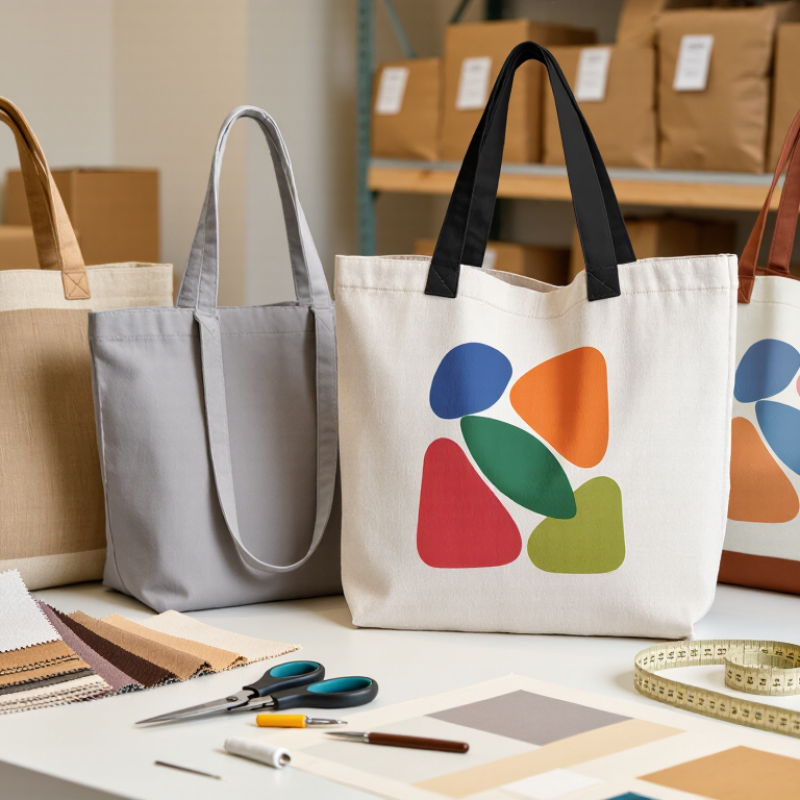
Choosing among China’s best custom printed tote bag manufacturers takes more than comparing prices. A useful supplier should explain its materials, printing options, production capacity, and quality checks in clear terms. For buyers, Custom Printed Tote Bag Manufacturing involves practical choices, from fabric weight and handle length to artwork placement and color consistency. These details affect how a bag feels, carries weight, and represents a brand.
A reliable comparison starts with a specific brief. Define the bag’s size, intended use, estimated order quantity, and preferred fabric before requesting quotes. Ask whether the manufacturer can provide a physical sample, confirm production timelines, and describe how finished goods are inspected. Request relevant certifications when needed, then verify their scope rather than relying on a logo in a brochure. Small details matter. A printed sample may look sharp under showroom lighting, while bulk production can reveal differences in color or stitching. That possibility deserves a direct question.
This guide introduces factors to consider when assessing tote bag manufacturers in China, including customization, communication, sampling, and quality control. It cannot identify one universally best factory, because the right choice depends on your product requirements and budget. A low quote may fit a simple order, but it may not include packaging, testing, or shipping. Compare like with like. Clear specifications and written approvals help reduce avoidable surprises, though they cannot remove every production risk. Even experienced buyers sometimes discover a requirement they should have stated earlier.
Custom printed tote bags are reusable carryalls made from fabric panels, handles, and printed artwork. Cotton canvas feels sturdy and holds its shape, while lighter cotton or nonwoven fabric folds more easily. Recycled polyester can resist moisture, but its texture differs from natural fibers. Check fabric weight and stitching before choosing; a printed sample may feel different from a digital preview.
Styles include flat totes, gusseted bags with extra depth, and zippered versions for more secure storage. Shoppers often use them for groceries, books, trade events, or everyday errands. A wide bottom can help a bag stand upright, while longer handles make shoulder carrying easier. Small details matter. A thin handle may dig in when the bag is loaded, and pale fabric can show marks quickly.
Tips: Match the fabric to the real use, not just the artwork. Ask for a physical sample and inspect the print after folding and rubbing it gently. Confirm finished dimensions, handle length, and care instructions. One compromise is common: heavier fabric feels robust but takes up more storage space. Consider that before ordering a large quantity.
Custom printed tote bags are reusable bags personalized with artwork, text, or logos. Fabric, construction, and printing method affect their appearance, durability, cost, and suitability for different uses.
| Fabric or Material | Typical Characteristics | Common Styles | Common Printing Options | Typical Uses | Practical Considerations |
|---|---|---|---|---|---|
| Cotton canvas | Woven cotton with a substantial feel; available in different weights and finishes. | Flat-bottom shopper, gusseted tote, long-handle shoulder bag | Screen printing; direct-to-garment printing on compatible fabrics | Retail merchandise, everyday shopping, event gifts, book bags | Check fabric weight, stitching, and handle reinforcement. Cotton cultivation can require significant water and agricultural inputs. |
| Lightweight cotton or cotton sheeting | Softer and lighter than many canvas options; folds easily for storage. | Simple flat tote, foldable shopping bag, drawstring tote | Screen printing; direct-to-garment printing on compatible fabrics | Promotional giveaways, conferences, lightweight shopping, library use | Often less structured than heavier canvas. Carrying capacity depends on fabric, seams, and handle construction. |
| Jute | Plant-based bast-fiber fabric with a coarse, natural texture and a relatively structured look. | Market tote, laminated-bottom shopper, jute-and-cotton combination bag | Screen printing; suitable transfer methods, subject to surface testing | Grocery and market shopping, gift packaging, retail promotions | Texture can limit fine print detail. Some bags use a lining or lamination, so the finished product may not be fully biodegradable or recyclable. |
| Nonwoven polypropylene (PP) | Lightweight, manufactured sheet material; commonly used for economical reusable shopping bags. | Box-bottom shopper, tote with gussets, foldable promotional bag | Screen printing; heat-transfer methods compatible with the material | Trade shows, retail promotions, grocery shopping, event distribution | Recycling availability varies by location and collection program. Confirm local disposal guidance rather than assuming curbside recyclability. |
| Recycled polyester (rPET) | Polyester fabric made from recycled PET feedstock; available in woven and nonwoven constructions. | Foldable shopper, lightweight tote, zip-top bag | Dye sublimation on suitable polyester fabric; screen printing and compatible transfers | Promotional bags, travel accessories, lightweight shopping | Ask for documentation if recycled content is important. Polyester is a synthetic material, and washing can release microfibers. |
| Polyester-cotton blend | Combines fibers in proportions that vary by product; feel and performance depend on the blend and weave. | Everyday tote, uniform or event bag, printed shopper | Screen printing; transfer printing; other methods suited to the fiber blend | Events, education, retail promotions, branded merchandise | Confirm the exact fiber composition before selecting a printing method or making material claims. |
| Laminated fabric | Fabric with a bonded coating or film that can add structure and help resist surface moisture. | Structured shopper, wipe-clean market bag, gusseted tote | Printing on the fabric before lamination, or printing methods tested for the finished surface | Grocery shopping, promotional use, bags that need a wipe-clean surface | Performance varies by coating and seams; lamination may make material separation and recycling more difficult. |
| Custom printing method | Choice depends on artwork, fabric, order quantity, color requirements, and finish. | One-color print, multicolor artwork, all-over design, photographic image | Screen printing suits many simple designs and larger runs; sublimation is generally for polyester; transfer methods can suit varied designs after testing. | Branding, artwork reproduction, campaign merchandise, personalized gifts | Request a sample or print proof. Check color expectations, print placement, wash-care guidance, and minimum order requirements. |

Selection tip: Compare finished-bag dimensions, fabric composition and weight, handle length, seam construction, print area, and care instructions. Material performance and print compatibility can vary between suppliers and product specifications.
China Best Custom Printed Tote Bag Manufacturers?
A tote bag usually begins with fabric inspection. Workers check weight, color, and visible flaws before cutting panels to size. Many factories print the flat panels before sewing, which helps keep artwork away from seams. Screen printing suits bold designs and larger runs. Digital printing can handle finer details and shorter runs. Heat transfer is another option; sublimation is mainly used on suitable polyester fabrics. Each method has limits. Fabric choice, ink, and artwork all affect the result.
After printing, the panels are dried or cured as required, then sewn with handles and reinforced stress points. Inspectors may check print alignment, stitching, dimensions, and handle strength. Ask for a physical sample: a screen image cannot show fabric texture or how a bag feels when loaded. Even a careful sample is not a guarantee that every production piece will match perfectly, so agree on acceptable variation before ordering.
Tips: Send clear artwork and confirm print size, fabric, color, and sample approval in writing. Check the inside seams, too. They’re easy to miss.
A low minimum order quantity can suit a first run, but check whether the quoted price includes setup, sampling, and packing. Ask for the MOQ by fabric, bag size, and print method; these may differ. For capacity, request a monthly output range and recent production schedule, not just a factory-wide figure. A line producing plain canvas bags may need extra time for multi-color printing.
Lead time should separate sample approval, production, inspection, and shipping.
UNCTAD’s Review of Maritime Transport 2024 reports that over 80% of world trade by volume moves by sea. So a factory’s production estimate is only part of the delivery window. Leave room for port delays. It happens.
Customization is easier to compare when specifications are written down: canvas weight, handle length, gusset depth, print area, and color tolerance. Ask to approve a physical sample under the same print process as bulk production.
The World Bank’s 2023 Logistics Performance Index assesses 139 economies across measures including shipment timeliness and tracking. This is useful context, not a factory score.
One weakness in many comparisons: “customizable” says little about how reliably a supplier can repeat a sample across thousands of bags.
China Best Custom Printed Tote Bag Manufacturers?
Quality Checks: ISO 105-X12 Uses a 1–5 Scale for Rubbing Fastness
Printed tote bags face friction against clothing, car seats, and shop counters. ISO 105-X12:2016 measures color transfer by rubbing a fabric sample with a specified rubbing cloth. Results use a 1–5 gray-scale rating: 1 indicates heavy staining, while 5 indicates little or no visible staining. The method covers both dry and wet rubbing, which can reveal different weaknesses in the same print.
For buyers comparing custom tote bag manufacturers, ask for test results tied to the actual fabric, ink, and print process. A sample printed on smooth cotton may not predict performance on a textured canvas bag. AATCC TM8 also evaluates color transfer from rubbing, offering a useful point of comparison when suppliers work with different testing systems. Neither score alone predicts every condition in daily use. That deserves a second look.
Tips: Request dry and wet results, plus the test date and specimen details. Check the rubbing cloth for visible pigment, especially around dark artwork and bag corners. Small test. Big difference. Set an acceptable grade before production; otherwise, “good fastness” can mean different things to different suppliers.
This chart illustrates the five-grade staining scale used to assess color transfer during rubbing tests. Grade 1 indicates heavy staining; grade 5 indicates no staining. Dry and wet rubbing are assessed separately. These are scale references, not test results for a specific tote bag.
Pre-shipment inspection helps buyers check whether custom printed tote bags match approved samples and order specifications. ISO 2859-1 provides attribute-sampling plans based on lot size, inspection level, and agreed AQL limits. The selected plan determines how many bags to inspect and the acceptance and rejection numbers. AQL is not a promise that every bag will be defect-free. It is a sampling rule for making a lot-level decision.
Inspect randomly selected bags from different cartons, not only those near the opening. Check print position, color consistency, handle stitching, seam strength, dimensions, and visible stains. Compare measurements with the agreed tolerances; a ruler and a simple pull test can reveal issues quickly. Classify defects as critical, major, or minor before inspection, and agree on their definitions with the supplier. Even a careful sample can miss defects, so keep inspection records and photos.
Tips: Use the same approved artwork and measurement sheet during production and inspection. Confirm the inspection level and AQL before sampling begins. If results fall near the acceptance limit, pause and review the evidence; judgment calls can be uncomfortable, and rushing them often creates disputes.
Cotton canvas feels sturdy and holds its shape. Lighter cotton and nonwoven fabric fold more easily. Recycled polyester can resist moisture, but its texture differs.
A gusseted bag offers extra depth, while a wide bottom can help it stand upright. Longer handles make shoulder carrying easier. Small details matter.
Ask for a physical sample. Compare it with the digital preview, then fold and gently rub the print. A screen can flatter the artwork.
Confirm finished dimensions, handle length, fabric weight, and care instructions. Check stitching too. A thin handle may dig in when the bag is loaded.
AQL is a sampling rule for deciding whether a production lot meets agreed limits. It does not promise every bag will be defect-free. Not a guarantee.
Choose bags randomly from different cartons, not only from the carton opening. This gives a more useful view of the production lot.
Check print position, color consistency, stitching, seam strength, dimensions, and visible stains. A ruler and simple pull test can reveal problems quickly.
Pause and review the inspection records and photos. Agree on defect categories and tolerances beforehand. Judgment calls can feel uncomfortable; rushing them may create disputes.
No. Heavier fabric can feel robust, but it takes up more storage space. I might still choose it, though that trade-off deserves a second look.
Custom Printed Tote Bag Manufacturing covers the choices and processes behind practical, personalized bags. Common materials include cotton, canvas, and nonwoven fabrics, while styles range from simple open-top shoppers to bags with gussets, pockets, or closures. They can be designed for retail packaging, events, promotions, or everyday use. Production typically involves confirming specifications, preparing fabric, cutting and sewing panels, applying artwork through methods such as screen or digital printing, and completing finishing and packing.
When comparing Chinese manufacturers, buyers can consider minimum order quantities, production capacity, lead times, material options, and the level of customization available. Quality checks help assess both appearance and durability: ISO 105-X12 evaluates colorfastness to rubbing on a 1–5 scale, with results indicating how well printed color resists transfer. Before shipment, an inspection based on ISO 2859-1 sampling plans and agreed AQL levels can provide a consistent way to review a sample of the order for defects.