
Custom T-Shirts
Engineered from 180 to 280 GSM combed ring-spun cotton, organic knits, or modal blends. Features flatlock stitching, reinforced neck bands, side-seams, and custom boxy or tailored silhouettes.

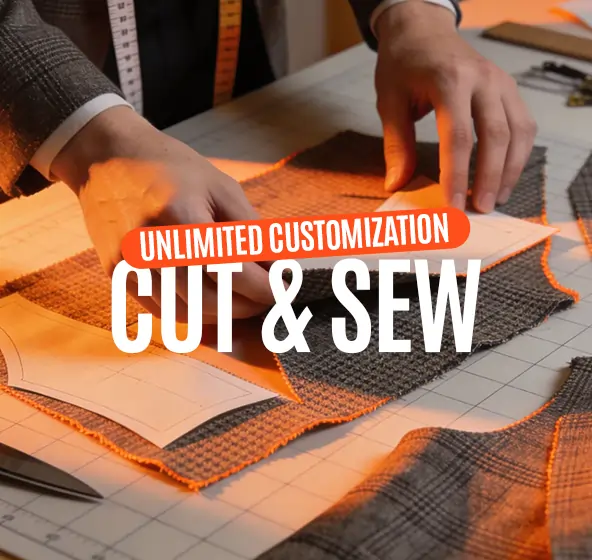
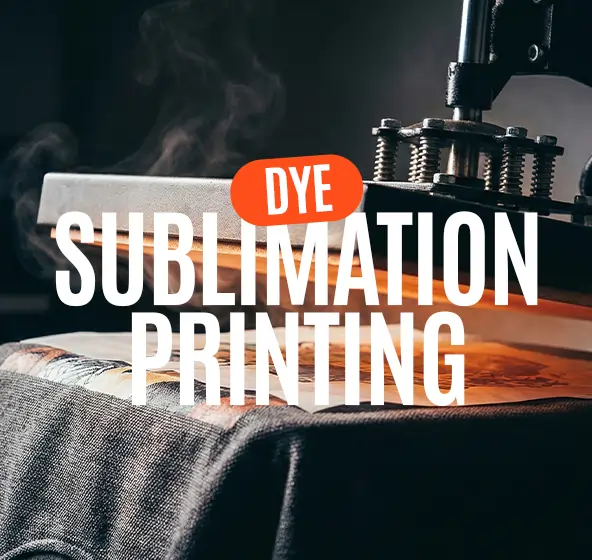

Bespoke pattern drafting, mill-direct fabric sourcing, precision sewing, and full private-label packaging—engineered for emerging clothing lines and global fashion brands.
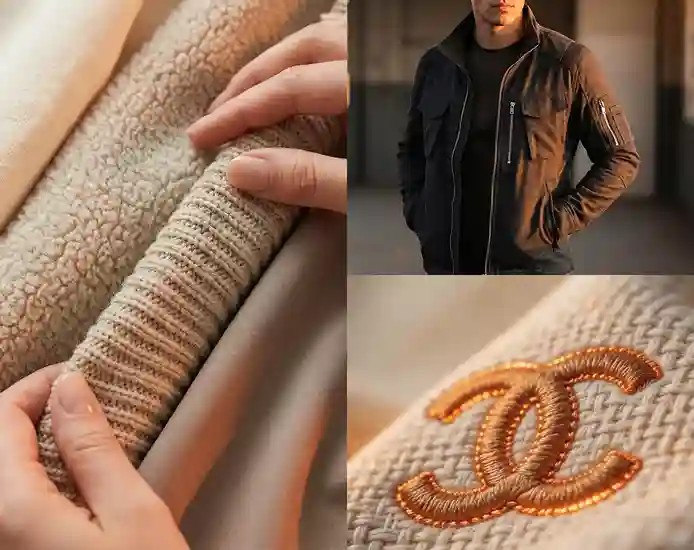
In the contemporary apparel ecosystem, global procurement buyers face a strategic fork in the road: white-label blank customization versus true custom cut and sew apparel manufacturing. Decorating standard wholesale blanks severely restricts a brand's growth due to stock fit limitations, inconsistent fabric GSM, locked-in side seam structures, and generic fabric hands that lack consumer distinctiveness.
True cut and sew production gives brand directors 100% control over the physical identity of their garments. From drafting proprietary fit blocks (such as boxy drop-shoulder cuts or tailored athletic profiles) to selecting exact fabric compositions (combed ring-spun cotton, GOTS-certified organic knits, heavy French terry, or elastane-blended technical polymers), every millimeter is engineered around your brand's unique specifications.
Understanding the operational parameters, financial tradeoffs, and product differentiation factors across modern apparel manufacturing models.
| Evaluation Metric | Custom Cut & Sew Manufacturing | Standard Blank Printing / Embroidery |
|---|---|---|
| Sizing & Fit Freedom | Complete freedom: Custom CAD grading, armhole drop, chest width, length adjustments | Locked into factory blank templates and static size charts |
| Fabric Customization | Bespoke yarn selection, custom GSM (180 to 460+), specialized weave, lab-dip dyeing | Restricted to stock fabrics, pre-dyed colors, and fixed fabric weights |
| Seam Construction & Stitching | Custom stitch callouts, thread type, flatlock, overlock, double-needle reinforcement | Fixed seam construction; risk of panel deformation under heavy print |
| Branding & Tag Integration | Fully integrated during panel assembly (satin neck tags, hem flags, inner tape) | Post-production tear-away relabeling; visible original stitching remnants |
| Unit Economics at Scale | High initial setup efficiency; superior margin potential as volume increases | High per-unit wholesale baseline; shrinking margins at scale |
Explore our main product lines—each engineered from scratch, cut from precision patterns, and finished to your specifications.
Engineered from 180 to 280 GSM combed ring-spun cotton, organic knits, or modal blends. Features flatlock stitching, reinforced neck bands, side-seams, and custom boxy or tailored silhouettes.
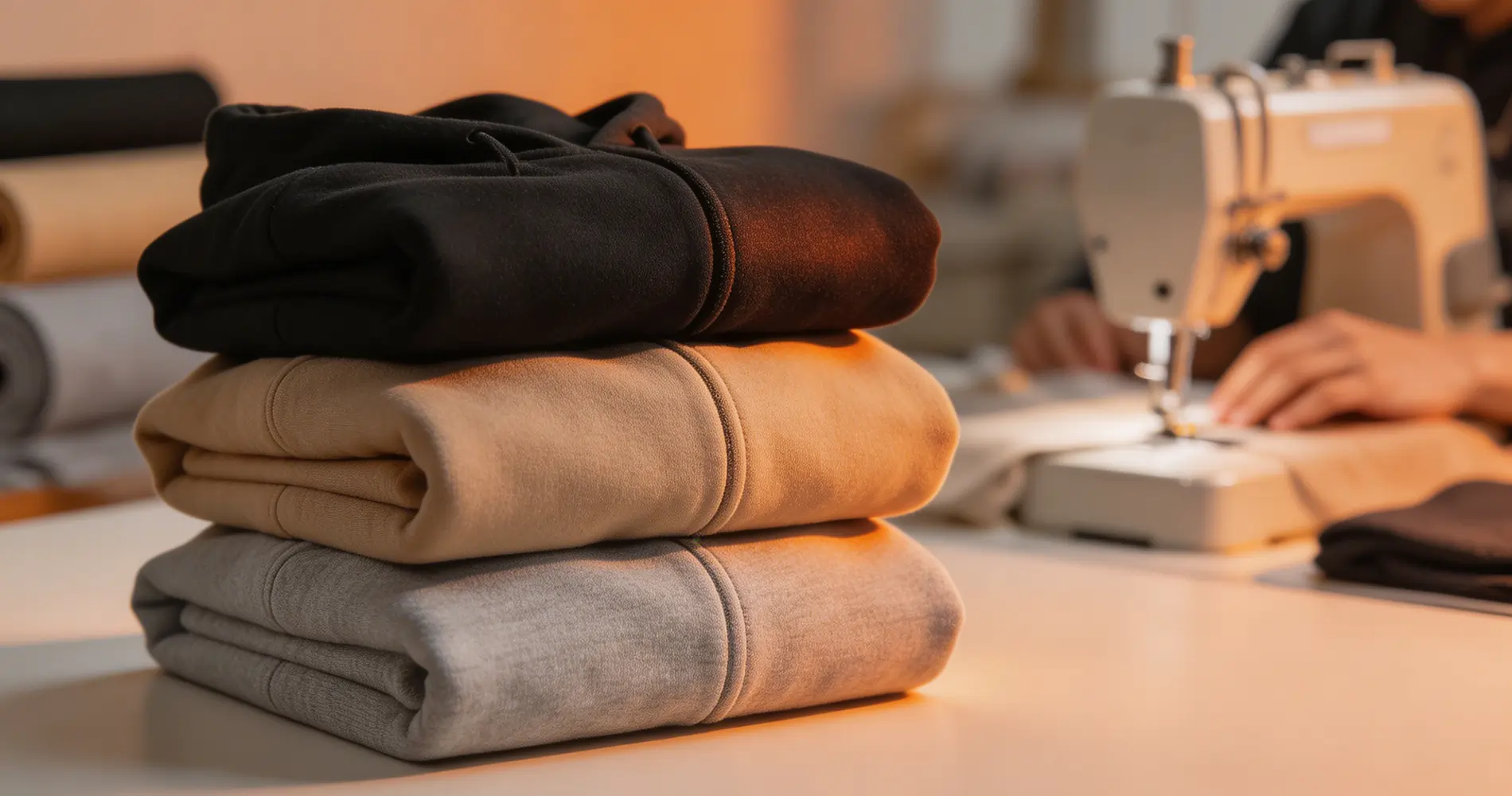
280 to 460 GSM French terry and brushed fleece builds. Double-lined hoods, custom metal drawcord tips, rib-knit side panel inserts, and drop-shoulder streetwear cuts.

Four-way stretch poly-spandex, moisture-wicking synthetic panels, chafe-free flatlock seams, and ergonomic gussets engineered for high-performance athletic applications.

Heavyweight blanks, vintage acid washes, mineral washes, high-density puff printing, silicone badge attachments, and drop-calendar capsule batch execution.
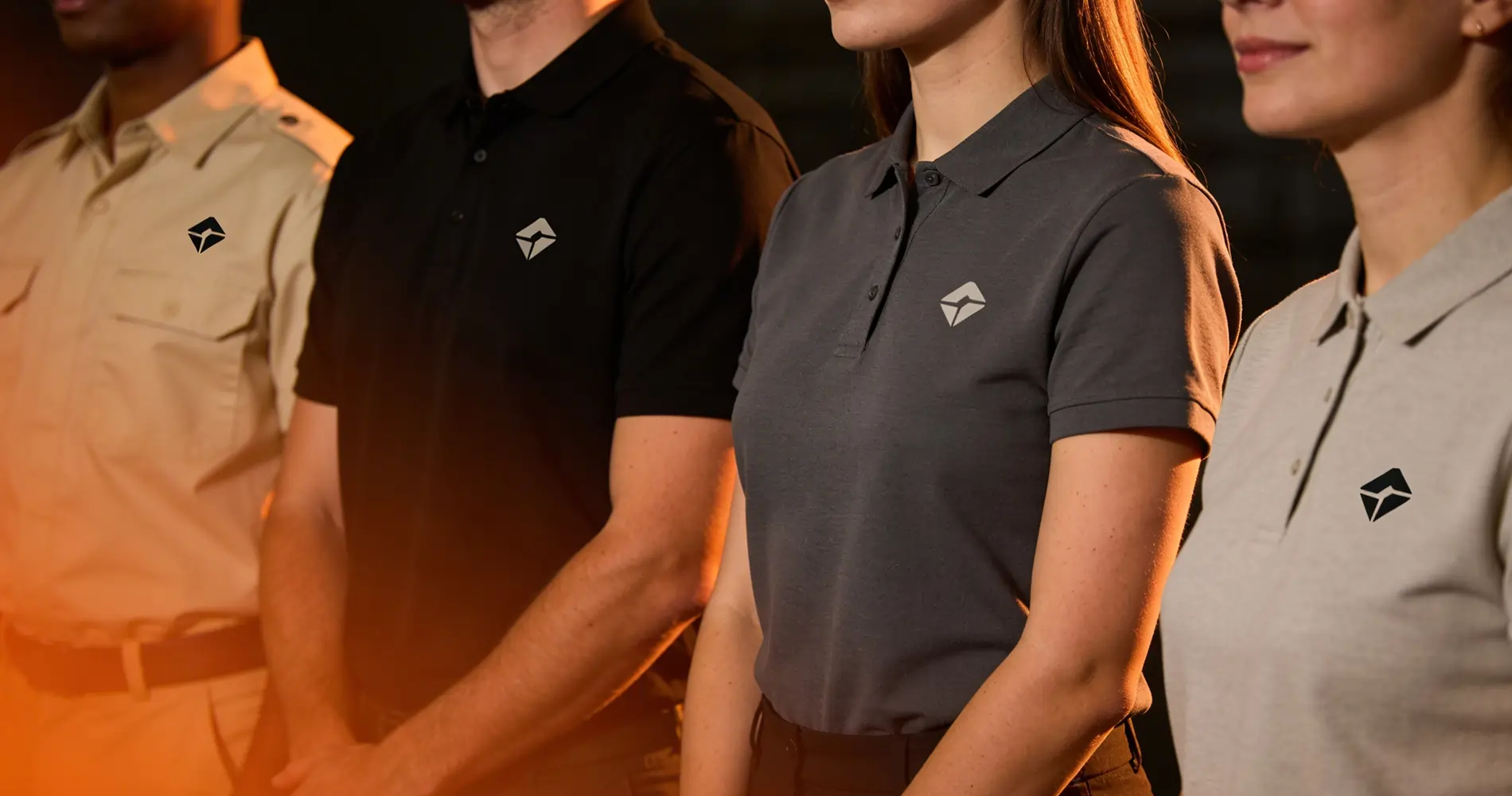
Durable poly-cotton twill, reinforced utility pockets, color-fast industrial polo knits, and precise embroidered branding built for multi-location commercial rollouts.
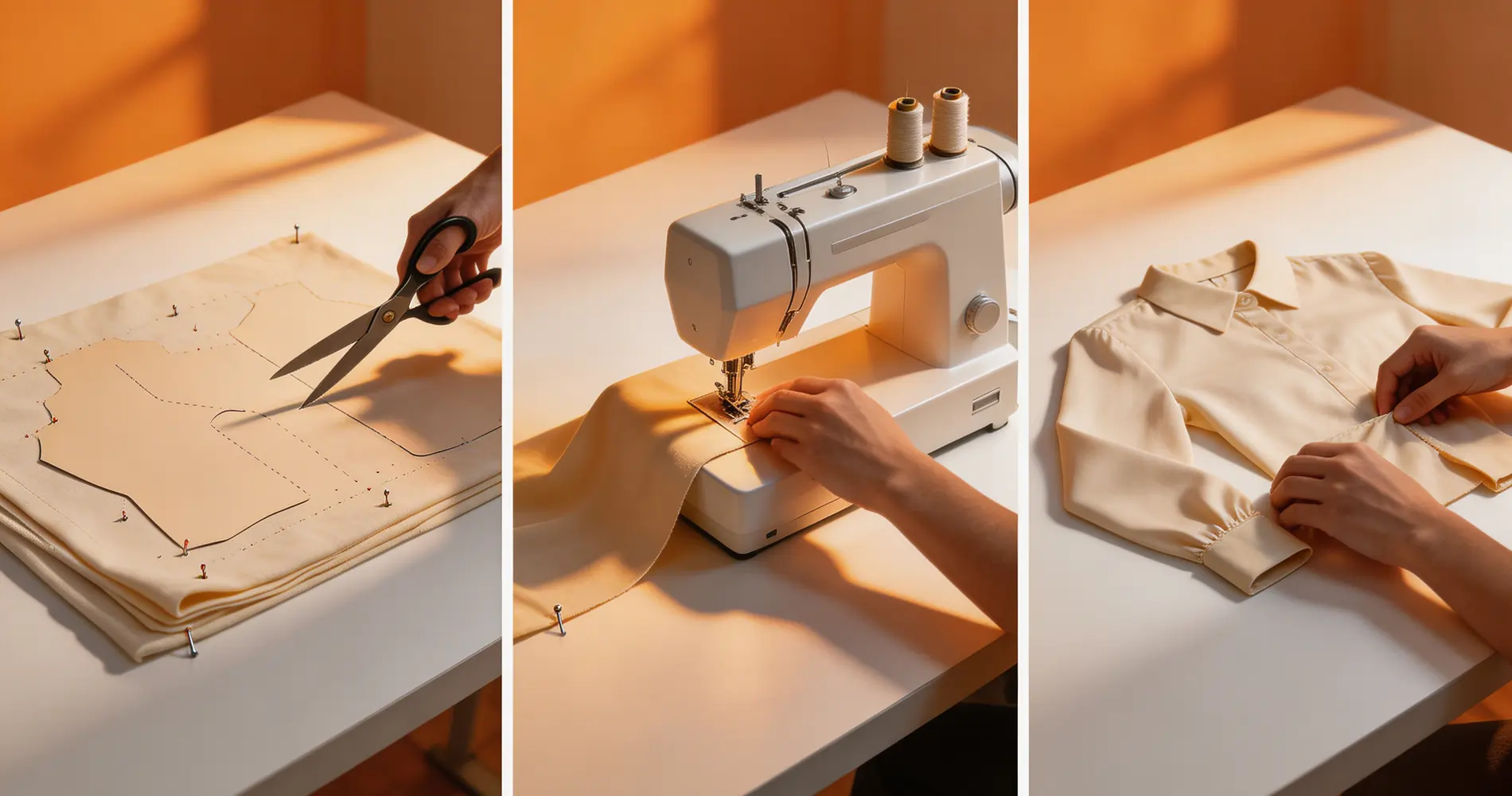
OEKO-TEX certified ultra-soft cottons, nickel-free snap hardware, tagless internal neck prints, and rigorous safety-compliance testing for children's fashion brands.
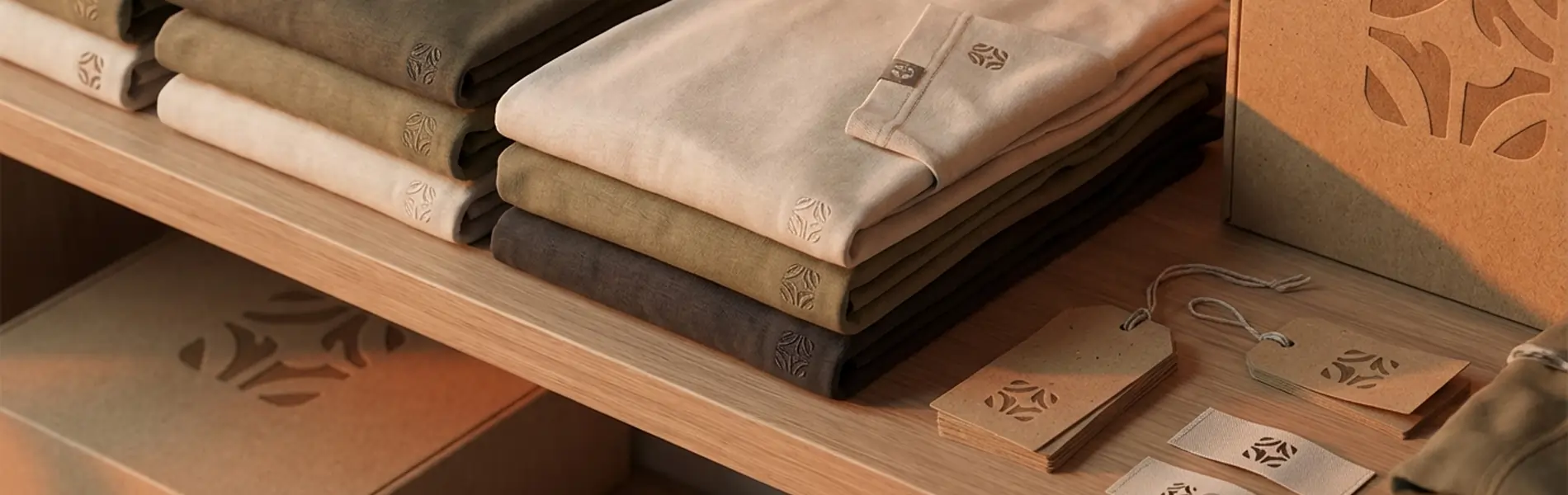
Complete white-label execution: custom woven neck tags, printed care tags, custom hangtags, branded polybags, tissue wrapping, and barcode labeling.
In custom cut and sew manufacturing, fabric selection dictates garment hand-feel, drape, durability, and print longevity. Here is how we manage raw textile engineering.
We work within exact Grams per Square Meter specifications: Light Tees (140-160 GSM), Standard Streetwear Tees (180-240 GSM), Heavyweight Tops (240-280 GSM), Mid-Weight Fleece (280-340 GSM), and Ultra-Heavy French Terry (380-460+ GSM).
Our raw knit supply utilizes long-staple combed ring-spun cotton yarns (30s, 24s, and 20s singles) to ensure a silky surface texture, minimum hairiness, superior pilling resistance, and optimized ink absorption for screen and DTG printing.
Uncontrolled fabric shrinkage ruins brand reputation. Our factory subjects raw fabric rolls to pre-shrinking, compacting, and wash testing—guaranteeing dimensional stability within strict ±3% tolerances post-laundering.
As supply chains evolve, global fashion buyers must adapt to emerging technological, environmental, and logistical developments shaping the apparel manufacturing landscape.
The traditional model of ordering 10,000 units per style 9 months in advance causes excess inventory write-offs. Global brands are pivoting to low-MOQ, high-agility cut and sew frameworks. By placing initial test runs of 200–500 units and utilizing rapid 2-3 week replenishment cycles, brands optimize capital and eliminate deadstock risk.
Physical sampling iterations add cost and weeks to development timelines. Modern cut and sew manufacturers integrate 3D CAD pattern software to simulate cloth drape, fit pressure, and print placements on virtual avatars. This cuts physical sampling rounds from 4 down to 1 or 2, dramatically shortening time-to-market.
Global regulatory bodies and consumers demand supply chain transparency. Cut and sew production now prioritizes GOTS-certified organic cotton, recycled polyester (rPET) knits, and eco-friendly reactive dyes that pass OEKO-TEX Standard 100 chemical safety tests without compromising vibrant color fastness.
Logistical volatility requires apparel manufacturers to offer end-to-end transparency. Modern buyers favor vertically integrated facilities that execute pattern cutting, embellishment, quality auditing, customs documentation, and DDP shipping under one accountable roof.
Operational data calculated from our integrated sewing, printing, and packaging facility over the last 24 months.
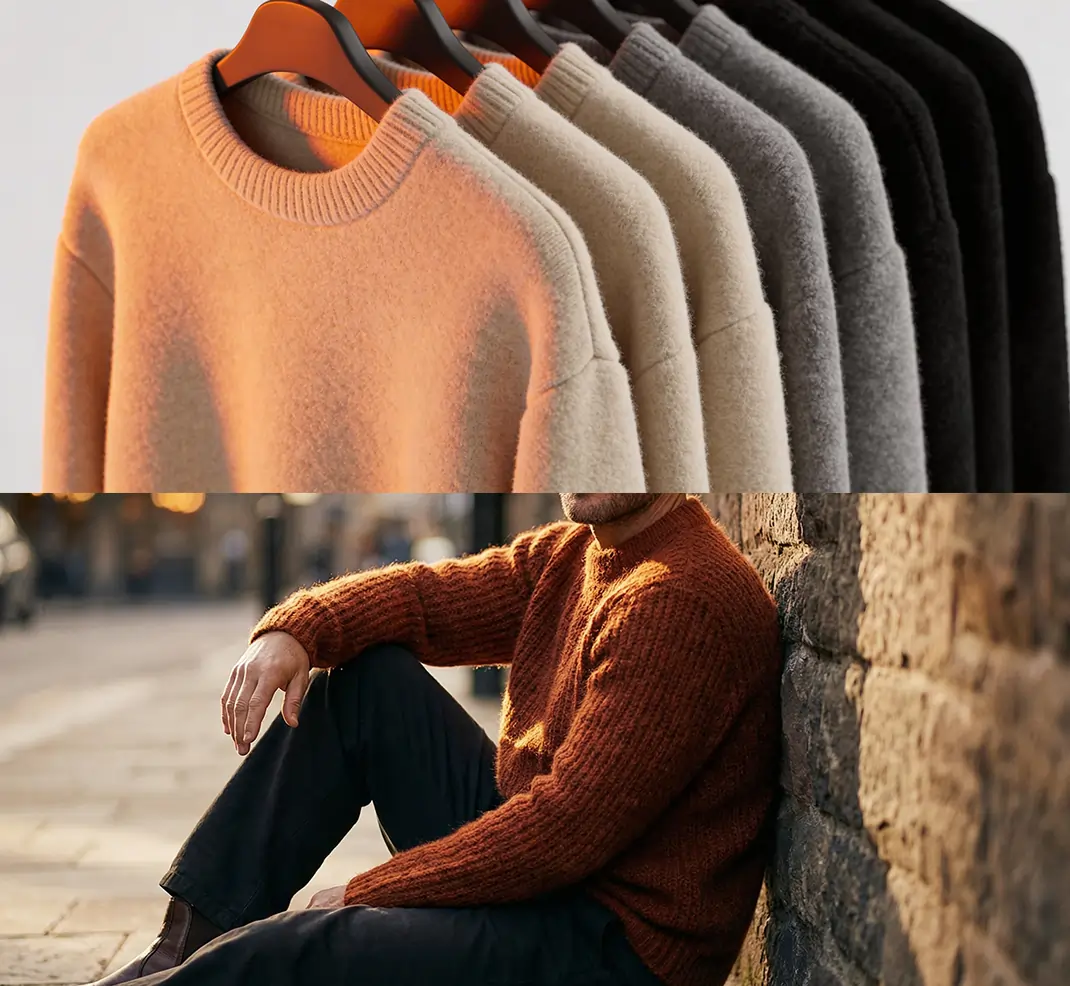
Subcontracting apparel operations causes misaligned measurements, print degradation, and missed delivery windows. Zega Apparel owns and operates a 50,000 ft² vertically integrated production facility established in 2012, staffed by over 200 experienced textile technicians.
To ensure flawless production quality across every purchase order, we enforce a rigid 4-Gate Quality Assurance System:
Everything you need to know about sample timelines, minimum order quantities, and commercial terms before starting production.
Addressing the top technical, financial, and operational questions asked by apparel sourcing managers and brand founders.
Submit your design specs, reference images, or target GSM to our technical apparel team. Receive a transparent price quote and production timeline within 24 to 48 hours.