Zega Apparel — Vertically integrated custom clothing manufacturer since 2012
MOQ 200 units / style AQL 2.5 inspection Shipping to 30+ countries

Blog

Top 10 Custom Jacket and Outerwear Manufacturers for Buyers

Top 10 Custom Jacket and Outerwear Manufacturers for Buyers

Choosing a jacket manufacturer is not just a price comparison. A shell that looks sharp on a sample table can fail when seams leak, zippers snag, or sizing shifts between production runs. Buyers need to assess technical capability, communication, quality control, and the supplier’s ability to scale. Small details matter. The market context makes those decisions more consequential. McKinsey & Company and The Business of Fashion, in The State of Fashion 2025, forecast global fashion sales growth of 2 to 4 percent in 2025, amid continued cost and demand pressures. Textile Exchange’s Materials Market Report 2024 estimates that global fiber production reached 124 million tonnes in 2023 and could rise to 160 million tonnes by 2030. These figures do not predict the performance of any individual factory. They do highlight why material sourcing, waste planning, and realistic production costs deserve scrutiny. This guide introduces ten custom jacket and outerwear manufacturers for buyers, with attention to product range, customization, manufacturing capacity, and practical fit for different sourcing needs. Custom Outerwear and Jacket Manufacturing involves more than selecting a fabric and approving a sketch. Ask how a supplier tests insulation, checks stitching, manages revisions, and handles a failed sample. Request clear specifications and confirm timelines in writing. A polished sales deck is not proof of consistent production. Nor is the lowest quote always the best value. The shortlist can help focus research, but it cannot replace factory checks or careful sampling. There is no perfect supplier.
Read more »
Amelia By:Amelia - October 31, 2026
Why Choose Custom Cut and Sew Kidswear?

Why Choose Custom Cut and Sew Kidswear?

Choosing Custom Cut and Sew Kidswear gives children’s clothing a more thoughtful, product-specific foundation. Each garment can be developed around a clear age range, body shape, activity level, and seasonal need. Designers control the pattern, fabric, stitching, trims, labels, and finishing details. That difference matters. A practical example is a children’s sweatshirt with reinforced shoulder seams, soft neck binding, and cuffs that recover after washing. These details can improve comfort during school, play, and repeated wear. Experienced manufacturers also test fabric weight, colorfastness, shrinkage, seam strength, and fit before wider production. Reliable suppliers should provide clear material information and follow appropriate child-product safety requirements. Traceable sourcing supports better quality decisions and more consistent results. Custom production also allows brands to reduce unnecessary compromises. A warmer fabric can suit winter play, while breathable cotton may work better for active summer days. Small batches may help test a design before committing to larger quantities. However, customization is not automatically better. It can require more sampling, skilled labor, careful measurements, and closer quality control. Mistakes can still happen, especially when specifications are incomplete or communication is rushed. That is where professional experience becomes valuable. A capable production partner can identify weak seams, uncomfortable labels, poor grading, or unsuitable trims early. They can also suggest practical improvements without losing the original design direction. The process is not perfect. It demands review. Yet, when handled carefully, Custom Cut and Sew Kidswear can deliver safer, better-fitting, and more distinctive garments for growing children.
Read more »
Amelia By:Amelia - October 26, 2026
How to Choose a Technical Compression Wear Manufacturer?

How to Choose a Technical Compression Wear Manufacturer?

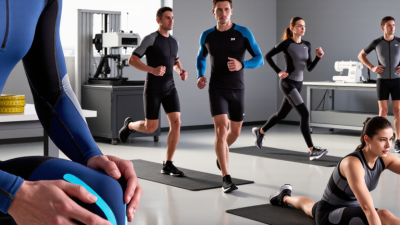
Choosing a Technical Compression Wear Manufacturer requires more than comparing prices or reviewing polished product photos. The right partner must control fabric tension, pressure distribution, seam construction, sizing accuracy, and repeated-wash performance. A sleeve may look smooth on a sample mannequin, yet pinch behind the knee after several hours. That detail matters. The global compression wear market continues to expand. Allied Market Research valued it at approximately USD 4.6 billion in 2021 and projected growth to about USD 8.1 billion by 2031. Grand View Research also identifies rising sports participation, recovery awareness, and medical applications as important demand drivers. These figures are useful, but they do not prove that every supplier can manufacture reliable technical garments. Market growth is not quality control. Biomechanics researcher Dr. Walter Herzog has stated, “The effects of compression garments are small and highly variable.” His observation should shape the selection process. A credible manufacturer should explain its pressure targets, testing methods, fiber composition, and tolerance limits. Ask for independent test records, not only internal claims. Check whether production samples match approved samples after washing, stretching, and extended wear. ISO 20932-1 testing can help assess elastic fabric properties, while documented quality systems improve traceability. Experience also matters. Visit the factory when possible. Inspect cutting tables, bonding equipment, sewing lines, and final inspection stations. No factory is perfect. The stronger partner acknowledges weaknesses and shows how they are corrected. This guide examines the evidence, questions, and practical checks buyers need before selecting a Technical Compression Wear Manufacturing partner.
Read more »
Ethan By:Ethan - October 21, 2026
How to Choose Custom Embroidered Corporate Uniforms in 2026?

How to Choose Custom Embroidered Corporate Uniforms in 2026?

Choosing Custom Embroidered Corporate Uniforms in 2026 involves more than selecting attractive shirts or jackets. Uniforms represent your brand during client meetings, site visits, trade shows, and daily operations. The right design should communicate professionalism while supporting comfort, movement, and consistent workplace presentation. This guide examines practical decisions that affect uniform performance. These include fabric weight, embroidery placement, color accuracy, sizing, laundering, and supplier reliability. A soft, breathable polo may suit a warm showroom, while a durable jacket may better serve warehouse teams. Small details matter. A logo placed too low can disappear beneath a safety vest. Dense stitching may also feel uncomfortable on lightweight fabric. Reliable uniform planning requires evidence, not assumptions. Request samples before placing a large order. Test garments through movement, washing, and repeated wear. Ask suppliers about thread quality, production timelines, replacement policies, and size grading. Experienced providers should explain these choices clearly, rather than promising that one garment suits every department. That promise sounds convenient, but it is rarely accurate. Budget control also deserves careful attention. The cheapest option may fade quickly or lose its shape after several washes. However, premium pricing does not automatically guarantee better results. Compare total ownership costs, including reorders, alterations, cleaning, and delivery. Employee feedback should guide the final decision, because staff members notice heat, tight sleeves, rough seams, and practical problems managers may miss. This article offers a realistic framework for choosing uniforms that look credible, perform reliably, and remain useful as your organization grows. Mistakes can happen. Thoughtful testing reduces them.
Read more »

Elara By:Elara - October 16, 2026
2026 Best Organic Cotton T Shirt Manufacturers?

2026 Best Organic Cotton T Shirt Manufacturers?

Choosing the right supplier in 2026 requires more than comparing prices or browsing polished factory websites. This guide examines the best organic cotton T-shirt manufacturers through practical, buyer-focused criteria. It considers fabric sourcing, production consistency, ethical labor, certifications, and communication quality. Organic Cotton T-Shirt Manufacturing involves many small decisions. Cotton origin matters. So does the dyeing process. A soft 180 GSM shirt may suit retail basics, while a heavier 240 GSM fabric offers stronger structure. Buyers should request fabric swatches, test reports, production samples, and clear information about minimum order quantities. Details reveal capability. Reliable manufacturers can explain their organic certification status and provide traceability documents. Certifications should be checked with recognized bodies, not accepted as decoration. Factory audits, worker safety records, wastewater controls, and packaging choices also deserve attention. These points often separate a responsible partner from a low-cost intermediary. No shortlist is perfect. A factory may offer excellent stitching but limited color development. Another may hold respected certifications yet communicate slowly during sampling. That reality deserves honest consideration. This review therefore focuses on evidence, not exaggerated promises. It compares manufacturing experience, quality control, customization options, lead times, and after-sales support. Readers can use these findings to identify suppliers suited to their market, order size, and brand standards. Verify every current claim directly, because capacities, certifications, and policies can change.
Read more »
Ethan By:Ethan - October 11, 2026
10 Tips for Private Label Denim Jeans Manufacturing

10 Tips for Private Label Denim Jeans Manufacturing

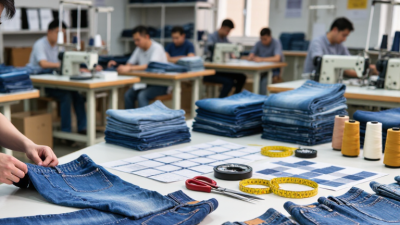
Private Label Denim Jeans Manufacturing demands more than selecting a fashionable wash and adding a woven label. It requires careful decisions from fabric sourcing to final inspection. A reliable production plan begins with clear measurements, tested denim, and realistic cost targets. Small details matter. Pocket placement can change the entire appearance of a pair of jeans. Stitch tension can affect durability after repeated washing. Even the shade of indigo may vary between production batches. In practical factory work, I have seen promising samples fail because the fit was not graded correctly. I have also seen attractive prices hide weak quality control, delayed communication, or inconsistent fabric sourcing. No factory is flawless. That is why supplier evaluation should include production records, sample reviews, factory communication, and documented inspections. Certifications can support trust, but they should be verified rather than accepted blindly. A polished presentation proves little. This guide presents ten practical tips for building a more dependable denim program. It covers fabric weight, stretch recovery, pattern development, wash testing, labeling, packaging, and pre-shipment checks. Each stage affects the customer’s experience. A rigid waistband can create complaints. An uneven hem can damage a carefully built brand image. A responsible manufacturer also considers worker safety, traceable materials, and applicable product requirements in target markets. Details decide outcomes. The process will not always be perfect. Samples may need revision. Timelines may shift. Honest feedback and documented decisions make those problems manageable. With disciplined planning, Private Label Denim Jeans Manufacturing can become a repeatable process instead of a costly experiment.
Read more »
Amelia By:Amelia - October 6, 2026
Top Sublimation Performance Activewear Manufacturers?

Top Sublimation Performance Activewear Manufacturers?

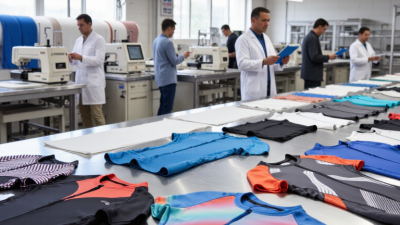
Choosing the top Sublimation Performance Activewear manufacturers requires more than comparing colorful samples or polished websites. The real test begins with fabric structure, ink penetration, stitching accuracy, and repeatable production. A running jersey may look impressive under showroom lights, yet fail after repeated washing, stretching, or outdoor exposure. Dr. Apurba Das, a textile and apparel researcher, offers a useful perspective: “Performance is not printed onto fabric; it is engineered into the whole garment.” This principle matters when evaluating manufacturers. Strong suppliers understand polyester fabric selection, moisture management, breathability, colorfastness, and pattern placement. They also explain their testing methods clearly. That transparency supports trust. Look closely at the details. Check whether seams remain flat during movement. Inspect the collar after washing. Ask for fabric weight, shrinkage data, and colorfastness results. Request a physical sample before approving bulk production. A reliable manufacturer should discuss these points without hiding behind vague claims. Experience still matters. A factory producing cycling kits may not understand compression leggings. A supplier specializing in team uniforms may struggle with premium yoga apparel. The “best” manufacturer depends on the product’s movement, climate, target user, and delivery expectations. There is no perfect supplier. Even experienced factories can miss a color shade or misjudge a fit. That is why small-batch testing, documented approvals, and direct communication remain essential. This guide examines leading Sublimation Performance Activewear manufacturers through practical criteria, including technical capability, quality control, customization, sustainability practices, minimum order quantities, and customer reliability. The goal is not to praise the loudest brand. It is to identify the manufacturers most capable of producing dependable activewear in real-world conditions.
Read more »
Amelia By:Amelia - October 1, 2026
Top Custom Cut and Sew Apparel Manufacturers

Top Custom Cut and Sew Apparel Manufacturers

Choosing among the Top Custom Cut and Sew Apparel Manufacturers requires more than comparing factory prices. It requires examining capability, communication, and production discipline. Custom Cut and Sew Apparel Manufacturing turns a sketch into a measurable product through pattern development, fabric cutting, stitching, pressing, and quality control. Every stage can affect fit, comfort, and durability. Tim Gunn, fashion educator and former Parsons chair, often advises designers, “Make it work.” That practical message suits apparel production. A reliable manufacturer should help make the design workable without removing its character. Ask whether the team can produce accurate samples, source suitable fabrics, grade sizes, and maintain consistent seam construction. Small details matter. A crooked pocket can damage a premium garment’s appearance. Strong manufacturers also document their process. They clarify minimum order quantities, sample fees, lead times, inspection points, and revision policies. Their answers should be specific, not vague promises. Factory photographs may help, but verified samples and clear records provide stronger evidence. Certifications can support responsible sourcing, yet they should not replace direct questions. The process is not flawless. Fabric shrinkage may alter measurements. A first sample may expose an uncomfortable sleeve or weak seam. Good partners respond with solutions and explain the trade-offs. This guide examines manufacturers through practical criteria, including craftsmanship, communication, scalability, transparency, and quality assurance. It also recognizes that the cheapest quote may create expensive corrections later. A thoughtful choice protects both the product and the brand’s reputation.
Read more »
Amelia By:Amelia - September 21, 2026
2026 Top Private Label Sportswear Manufacturers?

2026 Top Private Label Sportswear Manufacturers?

Choosing among the 2026 top private label sportswear manufacturers requires more than comparing factory websites. Production quality can change with staffing, fabric availability, and seasonal capacity. A polished portfolio is helpful, but it does not prove consistent performance. This guide examines Private Label Sportswear Manufacturing through practical evidence. It considers fabric testing, pattern accuracy, moisture management, stitching strength, minimum order quantities, lead times, and communication. It also reviews whether manufacturers can provide clear certifications, traceable materials, realistic samples, and documented quality inspections. A factory producing excellent leggings may not perform equally well with compression tops or recycled outerwear. The details matter. Orsola de Castro, co-founder of Fashion Revolution, said, “The most sustainable garment is the one already in your wardrobe.” Her observation challenges private label brands to design products that last, not merely products that photograph well. Durable waistbands, colorfast fabrics, secure seams, and repair-friendly decisions can reduce waste over time. That sounds obvious. It is often missed. The manufacturers featured here are not presented as perfect choices for every business. Some may offer advanced development support but require higher order volumes. Others may provide flexible quantities but limited fabric options. This guide encourages founders, retailers, and sourcing teams to request physical samples, verify testing records, and inspect production conditions before signing agreements. Rankings can inform decisions, but direct validation remains essential. In sportswear, a small measurement error can become a serious fit problem during movement. That is where marketing claims meet real experience.
Read more »
Ethan By:Ethan - September 21, 2026
How to Source Heavyweight French Terry Hoodies in 2026?

How to Source Heavyweight French Terry Hoodies in 2026?

Sourcing heavyweight French terry hoodies in 2026 requires more than comparing factory prices. The fabric must feel substantial without becoming stiff, bulky, or uncomfortable. A reliable sourcing process begins with measurable details, including fabric weight, fiber composition, loopback structure, shrinkage, and colorfastness. Heavyweight French Terry Hoodies Manufacturing depends on these specifications being consistent across production batches. Ask suppliers for fabric swatches, laboratory reports, and a physical sample before discussing large orders. A well-made hoodie should hold its shape after washing. Inspect the hood, ribbed cuffs, shoulder seams, and pocket openings carefully. Small defects often appear there first. During supplier evaluation, review factory experience, production capacity, quality-control procedures, and communication speed. Independent audits can help, but they should not replace personal sample inspection. Nothing replaces touch. In 2026, responsible buyers should also examine recycled fibers, traceable cotton, packaging choices, and documented labor standards. These details influence brand credibility and long-term supply stability. However, sustainability claims can be vague. Request supporting documents and verify their relevance to the actual product. A lower quotation may hide weaker fabric, unstable dyeing, or costly rework. That lesson is easy to overlook. This guide explains how to compare manufacturers, control quality, negotiate practical terms, and build a sourcing plan that survives real production conditions. Some assumptions may still need revision, because markets, materials, and factory capabilities change quickly.
Read more »
Ethan By:Ethan - September 21, 2026