Choosing the top Sublimation Performance Activewear manufacturers requires more than comparing colorful samples or polished websites. The real test begins with fabric structure, ink penetration, stitching accuracy, and repeatable production. A running jersey may look impressive under showroom lights, yet fail after repeated washing, stretching, or outdoor exposure.
Dr. Apurba Das, a textile and apparel researcher, offers a useful perspective: “Performance is not printed onto fabric; it is engineered into the whole garment.” This principle matters when evaluating manufacturers. Strong suppliers understand polyester fabric selection, moisture management, breathability, colorfastness, and pattern placement. They also explain their testing methods clearly. That transparency supports trust.
Look closely at the details. Check whether seams remain flat during movement. Inspect the collar after washing. Ask for fabric weight, shrinkage data, and colorfastness results. Request a physical sample before approving bulk production. A reliable manufacturer should discuss these points without hiding behind vague claims.
Experience still matters. A factory producing cycling kits may not understand compression leggings. A supplier specializing in team uniforms may struggle with premium yoga apparel. The “best” manufacturer depends on the product’s movement, climate, target user, and delivery expectations.
There is no perfect supplier.
Even experienced factories can miss a color shade or misjudge a fit. That is why small-batch testing, documented approvals, and direct communication remain essential. This guide examines leading Sublimation Performance Activewear manufacturers through practical criteria, including technical capability, quality control, customization, sustainability practices, minimum order quantities, and customer reliability. The goal is not to praise the loudest brand. It is to identify the manufacturers most capable of producing dependable activewear in real-world conditions.
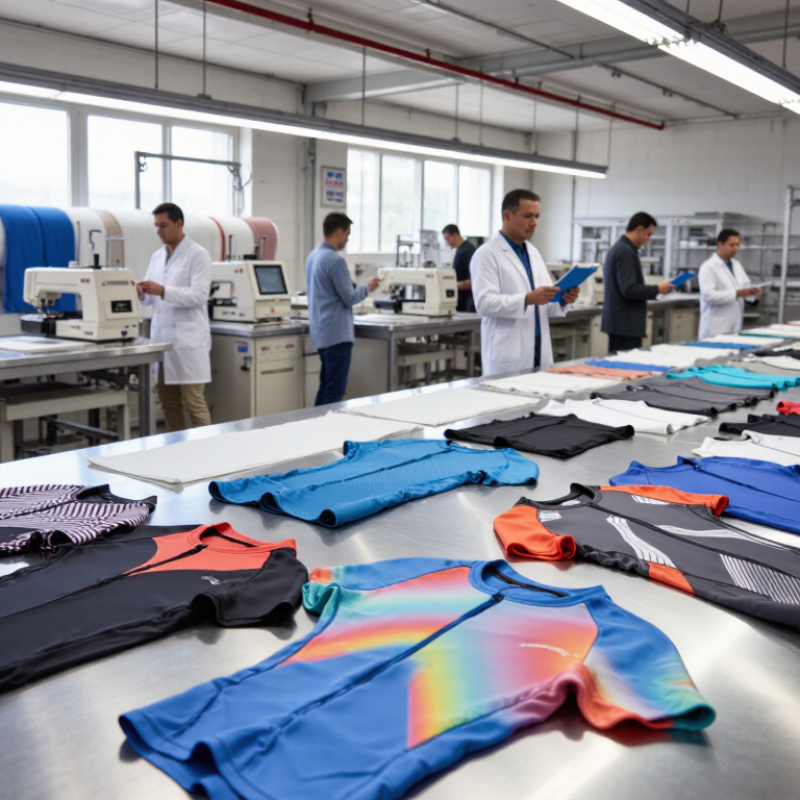
What Defines a Top Sublimation Activewear Manufacturer?
What Defines a Top Sublimation Activewear Manufacturer?
A top sublimation activewear manufacturer begins with fabric knowledge, not attractive artwork. High-quality polyester must hold ink evenly and recover after repeated stretching. Experienced teams test fabric rolls before production. They check color migration, moisture management, opacity, and seam strength. Small details matter. A white base may look clean on screen but appear dull on dark fabric.
Reliable manufacturers control the process from digital file to finished garment. They use calibrated printers, stable heat presses, and documented temperature settings. Skilled technicians inspect color density across panels, especially near curved seams. Pattern placement also requires care. A logo can shift several centimeters when a sleeve is cut incorrectly. That mistake is avoidable, but it still happens in rushed factories.
Professional suppliers provide physical samples, measurement charts, and clear production records. They should explain fabric composition, shrinkage results, wash testing, and acceptable color variation. Independent quality checks can strengthen trust, though no system removes every human error. I would question any manufacturer promising perfect results without discussing limitations. A strong partner welcomes revisions, records failed tests, and improves the next batch. Useful evidence includes repeat orders, inspection reports, traceable materials, and consistent delivery performance. Calibration needs regular review. Yesterday’s settings may not suit today’s fabric.
Key Materials and Technologies Used in Activewear Production
High-performing sublimation activewear begins with the right fabric, not the printer.
Most reliable production uses tightly knitted polyester because its fibers accept sublimation dye under heat. Recycled polyester can also work, but its surface may produce slightly different color results. Fabric weight, stretch recovery, and yarn structure affect both comfort and print sharpness. Fit still matters.
Sublimation inks turn into gas and bond with polyester during controlled heating. A calibrated heat press or transfer calendar helps manage temperature, pressure, and dwell time. Too much heat can flatten texture or shift darker colors. Too little heat leaves pale areas and weak image durability.
Experienced manufacturers test each fabric batch before approving bulk production. Small errors spread.
Moisture-wicking finishes, elastane blends, and mesh panels improve movement and ventilation. However, heavy finishes may interfere with dye absorption. Designers should check seam placement before printing, especially around shoulders and curved side panels.
A color profile, fabric swatch, and wash test create useful evidence for quality decisions. Testing reveals reality. I have found that laboratory results can look excellent while repeated stretching exposes cracking near seams. That weakness deserves review, not concealment. Reliable production therefore combines digital color control with physical wear testing, dimensional checks, and careful inspection under natural light.
Major Applications and Buyer Considerations for Sublimated Activewear
Top Sublimation Performance Activewear Manufacturers?
Major Applications and Buyer Considerations for Sublimated Activewear
Sublimated activewear is used for team uniforms, running events, cycling groups, gym classes, and outdoor training. The process places ink into polyester fibers, rather than sitting on the fabric surface. This helps graphics resist cracking, peeling, and repeated washing. Team kits often need sharp numbers, sponsor panels, and consistent colors across different garment sizes. Running clubs may prioritize lightweight panels and fast drying. Indoor cycling groups usually need stretch, ventilation, and secure seams.
Buyer decisions should begin with the fabric specification. Ask for fiber content, fabric weight, stretch recovery, and moisture-management test results. Request a wash-test report. A reliable manufacturer should explain shrinkage limits and color tolerances clearly. Sample garments should be checked under daylight, not only studio lighting. Dark colors can appear uneven on textured fabric. Small details matter. Examine collar binding, zipper ends, hem tension, and stitching around pockets. Poor construction becomes obvious after repeated movement.
Production experience also matters when designs contain gradients, thin lines, or detailed logos. Request a physical sample before approving bulk production. Confirm artwork dimensions, print alignment, size grading, packaging, and delivery controls in writing. A perfect first sample is not guaranteed. That can reveal useful problems early. I would question any supplier promising identical results without discussing fabric batches or color variation. Sustainable choices deserve review too, including recycled polyester claims and waste handling evidence.
Conclusion
Top Sublimation Performance Activewear Manufacturers combine advanced printing expertise, reliable material selection, and efficient production systems to create garments that perform well under demanding conditions. Sublimation printing infuses specially formulated inks into polyester-based fabric, producing vivid, durable designs that resist cracking, peeling, and fading. This method supports full-coverage graphics while preserving the fabric’s breathability, stretch, and moisture-management properties.
High-quality manufacturers typically use technical fabrics, reinforced stitching, ergonomic patterns, and quality-control procedures throughout production. Buyers should evaluate fabric performance, print clarity, color consistency, customization options, sizing flexibility, minimum order requirements, lead times, and production capacity. Sublimated activewear is suitable for team uniforms, fitness clothing, cycling apparel, running gear, training outfits, and promotional sportswear. Choosing the right supplier means balancing design freedom, product comfort, durability, delivery reliability, and total cost to ensure the finished garments meet both performance expectations and visual requirements.