Choosing Custom Cut and Sew Kidswear gives children’s clothing a more thoughtful, product-specific foundation. Each garment can be developed around a clear age range, body shape, activity level, and seasonal need. Designers control the pattern, fabric, stitching, trims, labels, and finishing details. That difference matters.
A practical example is a children’s sweatshirt with reinforced shoulder seams, soft neck binding, and cuffs that recover after washing. These details can improve comfort during school, play, and repeated wear. Experienced manufacturers also test fabric weight, colorfastness, shrinkage, seam strength, and fit before wider production. Reliable suppliers should provide clear material information and follow appropriate child-product safety requirements. Traceable sourcing supports better quality decisions and more consistent results.
Custom production also allows brands to reduce unnecessary compromises. A warmer fabric can suit winter play, while breathable cotton may work better for active summer days. Small batches may help test a design before committing to larger quantities. However, customization is not automatically better. It can require more sampling, skilled labor, careful measurements, and closer quality control. Mistakes can still happen, especially when specifications are incomplete or communication is rushed.
That is where professional experience becomes valuable. A capable production partner can identify weak seams, uncomfortable labels, poor grading, or unsuitable trims early. They can also suggest practical improvements without losing the original design direction. The process is not perfect. It demands review. Yet, when handled carefully, Custom Cut and Sew Kidswear can deliver safer, better-fitting, and more distinctive garments for growing children.
What Custom Cut and Sew Kidswear Means
Why Choose Custom Cut and Sew Kidswear?
What Custom Cut and Sew Kidswear Means
Custom cut and sew kidswear means creating garments from the pattern stage. Fabric is cut to measured shapes, then sewn into a specific design. It differs from decorating ready-made blanks. Every detail can be reviewed, including sleeve length, pocket depth, seam placement, and neck comfort.
The global children’s wear market was valued at about USD 203.4 billion in 2023, according to Grand View Research. Its report also projects continued growth through 2030. More importantly, Textile Exchange recorded global fiber production at 124 million tonnes in 2023. These figures make material choices difficult to ignore. Custom production can help teams select softer fabrics, reduce unnecessary panels, and test fit before larger orders. In real sampling rooms, small changes matter. A rough seam can irritate a child’s neck. A deep pocket can collect sand. I have also seen “perfect” samples fail after washing. That uncomfortable lesson should stay visible.
Tips: Request a graded size set, not one sample. Test movement, shrinkage, colorfastness, and seam strength. Ask for fabric composition and production records. Keep the first order controlled. It may cost more per piece, but poor fit costs more later. Mistakes still happen. Good development simply catches them earlier.
How Custom Kidswear Is Designed and Produced
Why Choose Custom Cut and Sew Kidswear?
How Custom Kidswear Is Designed and Produced
Custom kidswear begins with a practical design brief, not just a colorful sketch. Designers study the child’s age range, movement needs, climate, and daily activities. A play jacket may need roomy sleeves, secure pockets, and soft seams around the neck. A sleepwear set requires lightweight fabric and careful attention to comfort. Every choice should serve a real use.
The process usually starts with measurements, technical drawings, fabric selection, and a detailed tech pack. A pattern maker then cuts the first sample from test fabric. The sample is checked for fit, seam strength, shrinkage, and ease of movement. A first sample is rarely perfect. Sleeves may feel tight, or a waistband may roll after washing. That feedback is valuable, even when it delays production.
After revisions, the pattern is graded into different sizes. The factory cuts fabric in organized layers and sews each panel according to the approved specifications. Quality staff inspect stitching, measurements, labels, and finishing details. Wash testing can reveal color changes or unexpected distortion. This step is easy to underestimate. Reliable production depends on clear records, consistent inspections, and honest communication between designers, pattern makers, and manufacturers. Small adjustments often make the final garment safer, more comfortable, and easier for children to wear.
Key Benefits of Custom Cut and Sew Manufacturing
Custom cut and sew manufacturing gives kidswear makers closer control over fit, fabric, and finishing. A technical team can adjust shoulder width, sleeve length, and waist comfort for real children’s body shapes. Graded patterns also support consistent sizing across several age groups. This matters because children grow quickly, and poor fit can make a garment uncomfortable within weeks.
The environmental case
deserves careful attention. Textile Exchange’s Materials Market Report 2024 estimates that global fiber production reached 124 million tonnes in 2023. Smaller production runs can reduce excess inventory and allow more accurate demand testing. Pattern planning may also lower cutting waste before fabric reaches the sewing line. However, custom production is not automatically sustainable. Sampling, shipping, and rejected pieces still consume resources. The numbers require honest tracking.
Quality improves when teams inspect each stage. They can test seam strength, wash stability, snap security, and fabric softness before approval. These checks support applicable child-product safety requirements and reduce avoidable returns. The Ellen MacArthur Foundation has reported that one truckload of textiles is landfilled or burned every second globally. Better durability can slow this cycle, especially when knees, cuffs, and collars receive reinforced stitching. The approach is powerful, but not perfect. Small workshops may lack advanced testing equipment. Buyers should request inspection records, material details, and production evidence before committing.
When Custom Kidswear Is the Right Choice
Why Choose Custom Cut and Sew Kidswear?
When Custom Kidswear Is the Right Choice
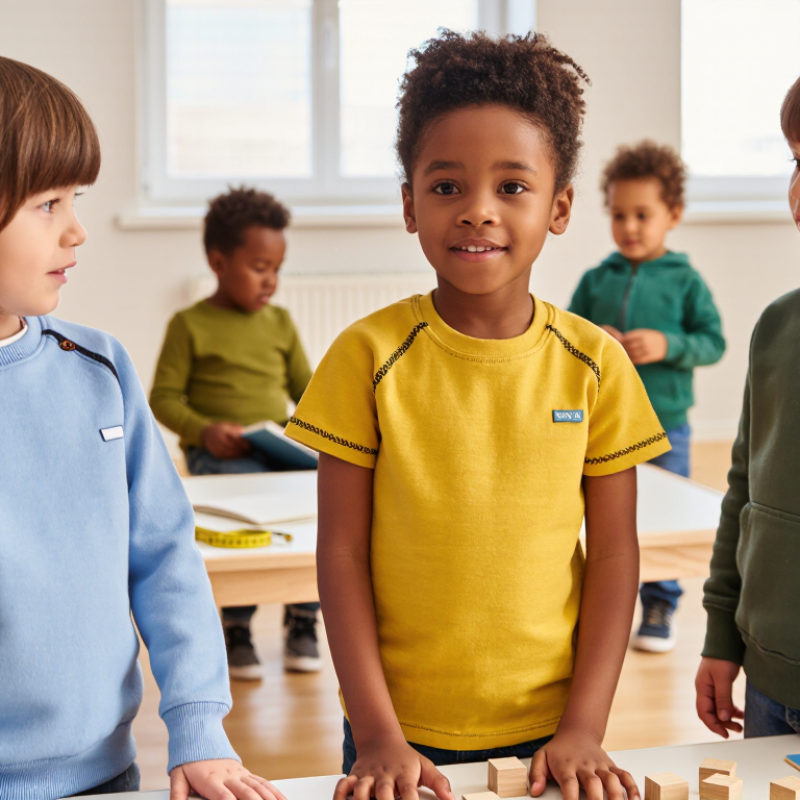
Custom cut and sew kidswear becomes the right choice when standard sizes cannot solve a specific need. It suits schools, activity groups, small retailers, and families seeking a consistent look. Each garment starts with a pattern, fabric choice, and measured construction. This process gives more control over fit, comfort, and durability. It also requires more decisions.
Choose this route when children need room for movement, longer wear, or sensory-friendly details. A soft neck label, flat seam, flexible waistband, and breathable fabric can change daily comfort. For active children, reinforced knees and secure stitching may matter more than decoration. Accurate measurements are essential. A sample garment should be tested during sitting, stretching, and ordinary play. Photos alone cannot reveal every problem.
Custom production is not automatically better. It can cost more, take longer, and create waste when quantities are guessed. I have seen attractive samples fail because sleeves restricted reaching or fabric felt warm indoors. Small trial orders and clear size charts reduce that risk. Check wash performance, seam strength, colorfastness, and fastening safety before larger production. Leave space for growth, but avoid oversized shapes that catch during movement. Sometimes a carefully selected ready-made garment is the more responsible choice.
Conclusion
Custom Cut and Sew Kidswear refers to children’s clothing created from original patterns and assembled piece by piece rather than adapted from standard, ready-made garments. The process typically begins with design planning, fabric selection, pattern development, sampling, fitting, and careful production. This approach allows creators to control details such as silhouettes, colors, trims, labels, and functional features while building a collection that reflects a clear design vision.
The main advantages include greater flexibility, improved fit, consistent quality, and the ability to select materials suited to children’s comfort and daily activities. Fabrics should be soft, durable, breathable, and easy to care for, while seams, fastenings, and decorative elements should be secure and age-appropriate. Safety, size accuracy, colorfastness, and quality inspections are essential throughout production. Custom kidswear is especially suitable for businesses, organizations, and creative projects that need distinctive designs, specific sizing, small-batch development, or closer control over materials and manufacturing standards.