The Evolution of CE Certified Jogger & Activewear Sourcing in Global Trade
In the contemporary B2B apparel procurement landscape, navigating international trade mandates requires far more than aesthetic pattern development and bulk stitching. Sourcing executives, corporate procurement managers, and independent apparel founders face unprecedented regulatory scrutiny across European, North American, and global markets. Achieving CE Certification (Conformité Européenne) for utility joggers, protective casualwear, and athletic bottoms has transformed from an optional quality mark into an indispensable regulatory gateway.
As a premier CE certified joggers supplier and exporter, Zega Apparel operates at the intersection of technical textile engineering, certified compliance, and vertically integrated OEM/ODM apparel manufacturing. Founded in 2012, our organization has scaled from a specialized pattern-cutting lab into a 50,000 square foot manufacturing hub housing over 200 master craftsmen, textile engineers, and quality assurance inspectors. We provide end-to-end cut-and-sew solutions tailored specifically to brands requiring certified safety parameters, REACH chemical compliance, and rigorous ISO 9001 manufacturing consistency.
Why CE Certification Matters in Modern Garment Sourcing
CE marking on utility apparel, industrial workwear joggers, and high-visibility leisurewear certifies that the garment satisfies essential health, safety, and environmental protection requirements harmonized under European Union regulations (such as EU Regulation 2016/425 for Personal Protective Equipment). Sourcing from an uncertified factory exposes importers to severe customs seizures, mandatory market recalls, and legal liability. Zega Apparel guarantees zero-drift compliance across every batch released from our factory floor.
Technical Sourcing Architecture
Engineering Standards for CE Certified Joggers & Bottoms
Manufacturing high-performance fleece bottoms and utility joggers that comply with European harmonized standards requires stringent fiber selection, GSM control, and chemical safety audits. Below is an technical breakdown of our manufacturing framework:
Fabric Weight & Density Options
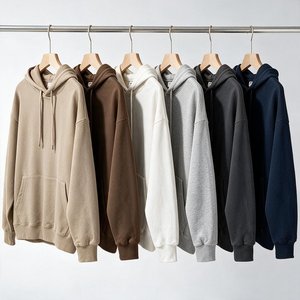
We engineer custom knits from 280 GSM lightweight athletic jersey to 600 GSM heavy-density brushed fleece and French Terry. Density checks ensure zero fabric thinning and high burst strength.
Regulatory Safety & Standards
Compliance options include EN ISO 13688 (General Protective Clothing), EN ISO 20471 (High-Visibility for Workwear Joggers), and OEKO-TEX Standard 100 Class 1 (Zero Harmful Substances).
Advanced Washing & Finishing
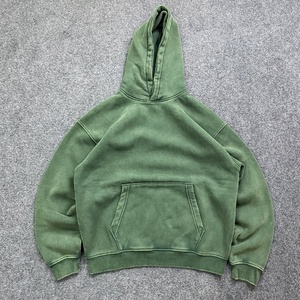
In-house specialized wash lines including eco-friendly reactive garment dyeing, acid washes, vintage stone washing, anti-pilling enzymatic treatments, and hydrophobic silicone coatings.
Technical Comparison: Standard Commercial vs. CE Certified Industrial Joggers
To provide concrete information gain for sourcing teams, the following matrix outlines key technical parameter differences when specifying commercial lifestyle joggers versus CE certified workwear and protective bottoms:
Evaluation Parameter
Standard Commercial Joggers
CE Certified Utility / Protective Joggers
Zega Apparel Factory Capability
Primary Standards
Basic Retail Quality Standards
EN ISO 13688 / EN ISO 20471 / REACH
Full Lab Testing & Certificate Provision
Tensile & Tear Strength
ASTM D2261 Standard (15-20 N)
ISO 13937-2 Reinforced (> 35 N)
Double & Triple Needle Heavy Duty Stitching
Color Fastness (Laundering)
Grade 3 (ISO 105-C06)
Grade 4-5 Superior Fastness
Lab-Dip Vat & Reactive Eco-Dyeing
Shrinkage Control
3% to 5% Allowance
Strict < 2% Post-Wash Tolerance
Pre-Shrunk Compacted Fabrics
Chemical Safety & Azo Dyes
Unverified Third-Party Mills
Zero Azo Dyes & Heavy Metal Free
OEKO-TEX Certified Dye House Integration
Quality Inspection Level
Random Batch Check
AQL 2.5 Statistical Inspection
4-Stage Gate Inspection Protocol
Market Intelligence & Sourcing Horizons
Global Sourcing Trends & Future Outlook for Joggers (2025–2030)
As global apparel supply chains adapt to sustainability legislation, shifting consumer buying patterns, and technological innovations, procurement directors must anticipate key industry developments. Our research highlights four major macro trends shaping the jogger and activewear export market:
1. EU Eco-Design Directive & Circularity
The European Union's proposed Ecodesign for Sustainable Products Regulation (ESPR) will soon mandate minimum recycled fiber percentages and product durability scores. Future CE certified apparel will require verified mono-material construction (such as 100% GOTS organic cotton or 100% recycled rPET) to facilitate infinite textile-to-textile recycling.
2. Hybrid Utility-Athleisure Textiles
The boundary between industrial workwear and casual athleisure is dissolving rapidly. Modern consumers demand joggers equipped with E-TPU abrasive knee paneling, elastomeric 4-way stretch gussets, hydrophobic water repellency, and hidden RFID security pockets—all wrapped in a comfortable streetwear silhouette.
3. Digital Product Passports (DPP)
Traceability is transforming apparel supply chains. By 2027, major European buyers will require a digital QR code embedded inside inner care tags linking to full tier-1 to tier-4 supply chain audits, factory CO2 footprint metrics, and CE lab test certificates. Zega Apparel's data infrastructure is DPP-ready.
4. Low-MOQ Agile Sourcing Models
Traditional 5,000-unit minimum order commitments carry immense inventory risk in dynamic retail markets. Sourcing directors are prioritizing vertically integrated manufacturers capable of delivering 200-unit low-MOQ starting runs with rapid scale capability to 10,000+ units upon proven drop success.
The Zega Apparel Advantage
Vertically Integrated Manufacturing Facilities under One Roof
Unlike trading companies or virtual sourcing agents who subcontract production across unverified third-party sewing shops, Zega Apparel operates a fully owned, 50,000 ft² vertically integrated apparel factory. From raw yarn testing to final carton packing, every production phase remains under strict in-house management.
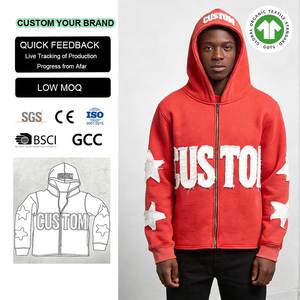
In-House Tech Pack Engineering: Our pattern makers turn simple mood boards or digital reference images into production-grade CAD tech packs with full size grading (S through 5XL).
State-of-the-Art Printing & Embroidery: Multi-head embroidery (up to 15 colors, 3D puff, chain stitch) alongside 8-color screen printing (plastisol, discharge, water-based, silicone, puff print) and DTG.
Full Private Label Packaging: Custom woven neck labels, satin care labels, custom hang tags, branded polybags, recyclable tissue paper, and barcode stickers delivered retail-shelf ready.
Flexible Order Terms: Accessible 200-unit MOQ per style/colorway with free size breakdowns, 7-10 day sample turnarounds, and 2-3 week bulk production execution.
Our 4-Stage Quality Gate System
We prevent quality failures by implementing non-negotiable inspection check-points during execution:
Gate 1: Incoming Fabric Audit4-Point System fabric inspection for GSM, color shade, roll flaws, and post-wash shrinkage testing.
Gate 2: In-Line Sewing AuditsHourly seam-strength, measurement tolerance, and stitch-per-inch (SPI) verification across sewing lines.
Gate 3: Post-Production AQL 2.5 InspectionStatistical sampling for print curing adhesion, needle damage, thread trimming, and sizing accuracy.
Gate 4: Photo-Documented AuditPre-shipment packaging verification, gross/net weight checks, and full photo audit report sent to buyers prior to release.
Procurement Sourcing Knowledgebase
Frequently Asked Questions (FAQ) for Global Buyers
Comprehensive answers regarding minimum order quantities, CE certification documentation, lab-dip approvals, payment structures, and international logistics.
What makes your joggers CE certified, and what testing documentation do you provide?
Our CE certified joggers are engineered to satisfy relevant European health, safety, and environmental standards (such as EN ISO 13688 for general protective wear or EN ISO 20471 for high-visibility workwear bottoms). We utilize REACH-compliant, Azo-dye-free chemicals and OEKO-TEX certified cotton/polyester yarns. Upon request, we provide official third-party laboratory test reports (covering color fastness, seam tensile strength, tear resistance, and chemical safety) alongside a manufacturer Declaration of Conformity (DoC).
What is your Minimum Order Quantity (MOQ) for custom jogger manufacturing?
Our standard minimum order quantity is 200 pieces per style, per colorway. Sizing breakdowns within that 200-piece order (for instance, ranging from S up to 3XL or 5XL) are free of charge. Pre-production physical samples are crafted for buyer review before any bulk production run commences.
How long do sampling and bulk production take?
Official cost estimates are delivered within 24 to 48 hours after receiving your specs or tech packs. Physical fit sampling and lab-dips take 7 to 10 business days. Once the sample is approved, bulk production execution requires 2 to 3 weeks for standard fleece knitwear/joggers and 3 to 4 weeks for complex garment-dyed, acid-washed, or specialized workwear lines.
Do I need to supply complete tech packs, or can Zega Apparel create them?
You do not need finished technical drawings to start. If you have reference garments, physical samples, hand sketches, or mood boards, our in-house pattern engineering team builds production-ready CAD tech packs containing graded measurement specs, seam call-outs, trim sheets, and artwork placement maps.
Which shipping terms (Incoterms) and destination countries do you support?
We export finished goods to over 30 countries globally, including the United States, United Kingdom, Canada, Australia, Germany, UAE, and wider Europe. We support DDP (Delivered Duty Paid - door to door with customs clearance and tariffs included), FOB (Free on Board), and Express Air freight options. All commercial invoices, HS code classifications, and bills of lading are prepared in-house.
Can you manufacture custom fabrics, custom GSM weights, and specialized washes?
Yes. We specialize in custom fabric knits ranging from 180 GSM jersey to 600 GSM heavy-density fleece, French terry, GOTS organic cotton, recycled polyester blends, waffle thermal knits, and nylon ripstop. Our dye house produces custom Pantone matching, reactive vat dyeing, acid washes, vintage distressing, anti-pilling treatments, and silicone softening.
Ready to Launch Your CE Certified Jogger & Apparel Line?
Consult directly with our apparel manufacturing specialists. Send us your style concepts, target GSM parameters, or tech pack files to receive a cost quotation and sample development timeline within 24–48 hours.