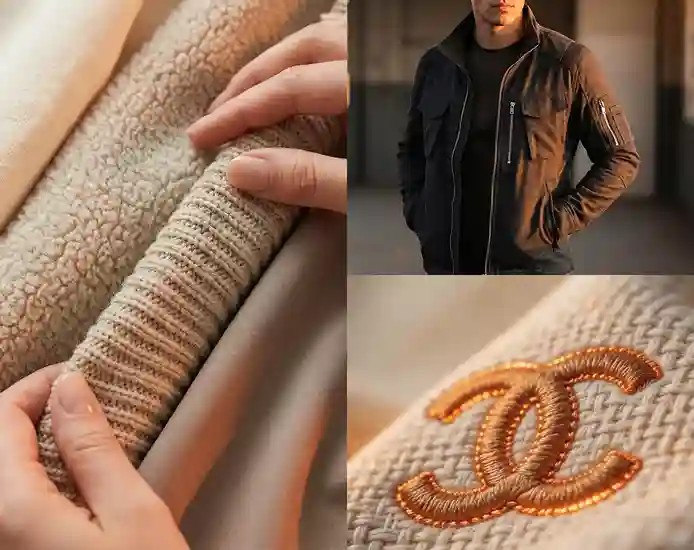
Direct-from-factory custom apparel engineered for premium streetwear labels, private label brands, and international distributors. Certified AQL 2.5 quality guaranteed.
An in-depth analysis of supply chain architecture, fabric GSM innovations, quality assurance protocols, and direct-factory advantage for global fashion brands.
The global textile and apparel manufacturing landscape has undergone a radical transformation. Sourcing directors, boutique fashion founders, and e-commerce moguls no longer search merely for cheap labor; they demand vertical integration, rapid prototyping, extreme fabric customization (380GSM–600GSM), and strict environmental compliance.
China remains the undisputed epicenter of global apparel production due to its unmatched supply chain maturity, advanced yarn spinning technologies, and specialized textile hubs. However, working directly with authentic, vertically integrated OEMs (Original Equipment Manufacturers) rather than trading intermediaries is the single most critical factor in securing brand profitability and maintaining fit consistency across drops.
Subcontracting is the primary reason why 74% of independent clothing lines fail during scaling. When production is outsourced to non-verified third-party stitching shops, fabric weights drift, color matching fails between batches, and delivery timelines collapse.
Eliminate middleman markups, guarantee fabric longevity, and secure absolute control over your critical path with full-cycle internal production capabilities.
Transition seamlessly from initial mood boards, tech packs, or physical reference garments into digitized CAD patterns. Our master pattern engineers calculate precise shrink allowances, seam allowances, and multi-size grading tables (S through 5XL) to prevent fit distortion after wash treatments.
From 180GSM single jersey combed cotton to 600GSM ultra-heavyweight French Terry and brushed fleece, we engineer custom knits tailored to your specified hand-feel, tensile strength, low-torque stability, and zero-pilling benchmarks.
Every garment unit undergoes four rigorous quality gates: 4-Point System raw fabric inspection, in-line sewing measurement audits, post-production AQL 2.5 statistical defect checks, and photo-documented final packing audits before box sealing.
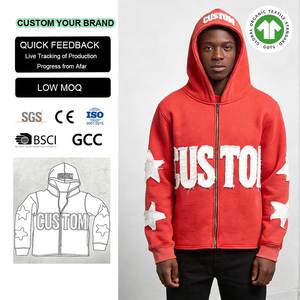
Mastery over specialized artisanal and industrial washes: acid wash, mineral wash, enzyme stone wash, vintage sun-fade over-dye, high-density puff screen printing, DTG, silicone badges, and 3D puff embroidery up to 15 colors.
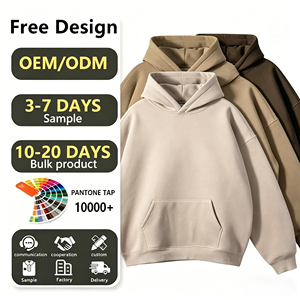
Launch limited streetwear drops or scale corporate workwear lines effortlessly. We support low 200-unit MOQs per style with complimentary size splitting, 7–10 day sampling turnarounds, and 2–3 week bulk production cycles.
Receive garments fully retail-ready: custom woven main labels, satin neck tapes, care/content labels, branded foil-stamped hang tags, biodegradable poly bags, custom barcode stickers, and custom presentation boxes.
Understanding the operational differences between direct vertically integrated factories, trading companies, and low-cost overseas middlemen.
| Procurement Criteria | Direct Integrated Factory (Zega Model) | Apparel Trading Intermediary | Overseas Micro-Outsourcing |
|---|---|---|---|
| Fabric & GSM Precision | Exact custom knitting (180–600 GSM guaranteed) | Limited stock fabric choices only | Unverified GSM claims & high shrinkage variance |
| Quality Control Standard | Structured 4-Stage Gate Inspection & AQL 2.5 | Random superficial visual checks | No formal inspection protocols |
| Sample Lead Time | 7 – 10 Business Days (Dedicated Pattern Room) | 3 – 5 Weeks (Delayed by external vendors) | 4 – 6 Weeks (Unpredictable) |
| Pricing Transparency | Direct factory costing breakdown (Yarn/Cut/Sew/Print) | Hidden 25%–45% agent markups | Low initial quote with hidden shipping/re-work fees |
| Tech Pack Engineering | Full in-house pattern CAD & multi-size grading | Requires client to supply perfected tech packs | Manual rough pattern cutting (high sizing errors) |
| Compliance & Audit | WRAP, BSCI, ISO9001 & OEKO-TEX Certified | No direct control over workshop compliance | High risk of unverified subcontracting |
Stay ahead of consumer demand with advanced garment engineering, vintage aesthetic washes, and structural streetwear fits dominating global retail channels.
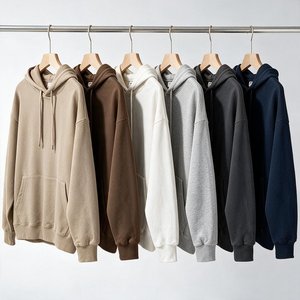
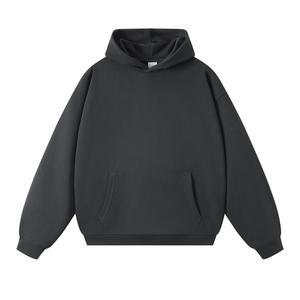
Standard 280GSM hoodies are rapidly being phased out by premium streetwear brands in favor of rigid, architectural silhouettes. Modern luxury streetwear consumers expect thick, structural drapes achieved exclusively through 450GSM to 600GSM heavy fleece and loopback French Terry.
Achieving structural drape without compromising interior softness requires high-density combed cotton face yarn paired with tight-gauge knitting machinery. This prevents the garment from sagging over time while maintaining extreme warmth and longevity.
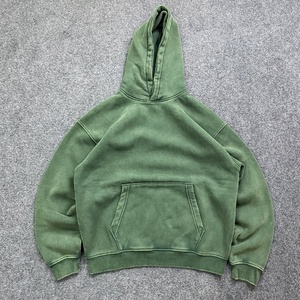
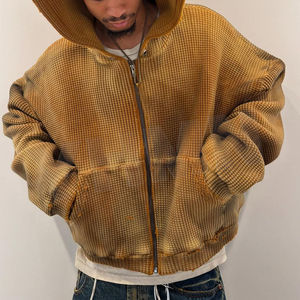
Vintage aesthetics have shifted from niche subcultures to mainstream luxury retail. Sourcing managers now require customized garment wash treatments, including acid wash, potassium permanganate distress spraying, enzyme stone washing, and destroyed ribbing.
Executing these washes in bulk demands precise chemistry control. Our chemical technicians utilize eco-certified neutralizing agents to ensure vintage treatments do not degrade fabric tensile strength or cause seam splitting during wear.
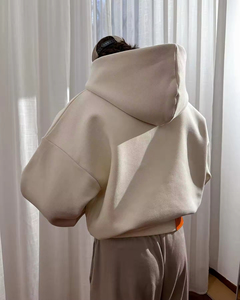
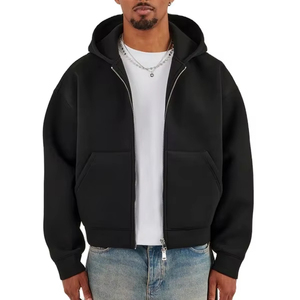
Conventional slim-fit cuts have been superseded by boxy, relaxed, drop-shoulder profiles with shortened body lengths and wider chest measurements. Developing these patterns requires specific armhole ratio recalibration to avoid excessive fabric bunching under the armpits.
Our pattern engineering team utilizes 3D digital draping simulations to perfect the drop-shoulder seam placement, ensuring the hoodie maintains a clean, modern aesthetic across all sizes from S to 3XL.
Flat screen printing is increasingly paired with high-tactile print media. High-density silicone printing, 3D puff embroidery, discharge printing (for soft-hand feel on dark garments), and vintage cracked screen prints are essential elements for high-ticket streetwear drops.
By conducting automated curing-tunnel heat tests, we ensure that puff prints and thick silicone appliques do not crack, peel, or fade, even after 50+ commercial wash cycles.
How forward-thinking clothing labels are restructuring their supply chains to maximize inventory turnover, lower capital risk, and adopt sustainable textile innovations.
The traditional model of placing 10,000-unit bulk orders six months in advance creates severe overstock risk. Modern agile brands launch with micro-batches of 200–500 units to validate consumer demand, followed by rapid 14-day replenishment cycles on winning styles.
Regulatory frameworks in Europe and North America (such as digital product passports) are mandating traceably sourced raw materials. Procurement strategies are shifting heavily toward GOTS-certified organic cotton, recycled polyester (rPET), and non-toxic low-impact reactive dyes.
Physical sampling iterations add weeks to product development pipelines. By implementing 3D CLO software, fashion labels approve fabric drape, graphics placement, and measurement grading digitally—reducing physical sampling rounds from 4 down to 1.
Detailed documentation of how we enforce zero-defect quality control across every production order from raw yarn to sealed container.
Before cutting begins, raw fabric rolls undergo testing on automated inspection frames. We evaluate GSM weight consistency, usable roll width, color shade continuity across lots, and perform lab wash tests to calculate exact shrinkage percentages (warp and weft).
Quality engineers inspect seam stitching density (Stitches Per Inch - SPI), flatlock tension, rib collar attachment alignment, and pocket placement accuracy while garments are actively moving through sewing lines. Any dimensional drift is corrected immediately.
Following garment assembly and wash processing, a randomized statistical inspection is executed according to ISO 2859-1 (AQL 2.5 standard). Garments are inspected for loose threads, print adhesion, zipper functionality, label accuracy, and measurement tolerances (+/- 1cm).
Prior to closing master cartons, our shipping team verifies inner poly bag warning labels, carton barcode placement, gross weight limits, and moisture-absorbent desiccant pack inclusion. Full photo documentation is provided to the client prior to final dispatch.
Comprehensive answers regarding minimum order quantities, lead times, tech packs, quality guarantees, and global shipping logistics.