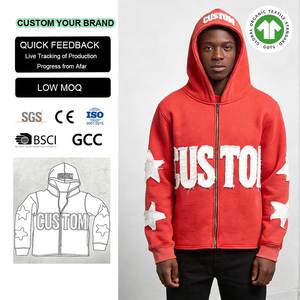
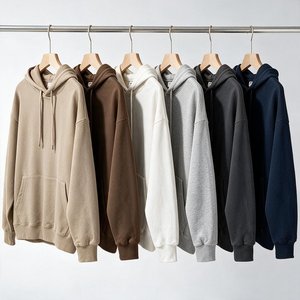
A comprehensive technical guide for B2B procurement managers, streetwear brand directors, and apparel buyers seeking high-precision sublimation printing and OEM cut & sew execution.
In the global apparel supply chain, dye sublimation printing has evolved from a niche application for sportswear to a mainstream industrial technology powering high-performance activewear, fashion-forward streetwear, corporate apparel, and custom cut & sew collections. Selecting the right China sublimation printing factory & supplier requires a deep understanding of textile chemistry, digital ink dispersion, thermal transfer dynamics, and quality assurance protocols.
Unlike surface-level screen printing or direct-to-garment (DTG) digital pigment inks, dye sublimation relies on a endothermic phase transition. High-grade disperse dyes transition directly from a solid state into a gas under high heat (190°C – 215°C) and pressure (4–6 bar) for 30 to 45 seconds. The synthetic polymer fibers (primarily hydrophobic polyester molecules) expand, allowing the vaporized dye to permeate the fiber core. Upon cooling, the polymer chains contract, permanently trapping the pigment inside the filament. This guarantees zero cracking, zero hand-feel stiffness, and unrivaled wash fastness (Grade 4.5+ on ISO 105-C06 scales).
When auditing top China dye sublimation suppliers, professional procurement teams must evaluate key technical indicators rather than relying solely on surface-level supplier descriptions. Leading vertically integrated facilities operate with standardized digital workflow specs:
Direct mill relationships and in-house roll-to-roll transfer minimize per-meter fabric consumption by up to 18% compared to non-integrated suppliers.
Disperse dye molecules penetrate deep into the polyester polymer matrix, surviving 50+ industrial wash cycles without degradation.
Automated vector pattern nesting software optimizes marker planning, reducing textile scrap to under 4.5% across production runs.
To assist apparel brand directors in selecting the optimal decoration methodology, the following technical matrix outlines key operational trade-offs across Sublimation, Screen Printing, and Direct-to-Garment (DTG) applications:
| Technical Metric | Dye Sublimation Printing | High-Density Screen Print | Direct-to-Garment (DTG) |
|---|---|---|---|
| Primary Fabric Compatibility | 100% Polyester, Poly-Spandex, rPET | 100% Cotton, Fleece, Poly-Blends | 100% Cotton, High-Cotton Blends |
| Garment Hand-Feel | Zero hand-feel (Breathable) | Thick, tactile ink layer | Soft to moderate tactile layer |
| Print Durability & Wash Fastness | Permanent (Fibers Dyed) | Moderate to High (May crack over time) | Moderate (Fades after 25+ washes) |
| All-Over Print (AOP) Capability | Seamless Panel & Roll-to-Roll | Cost-prohibitive for seamless AOP | Restricted to flat platen size |
| Color Gamut & Complexity | Unlimited Photo-Realistic CMYK | Limited by screen count (Up to 8-12) | High CMYK + White Ink Gamut |
| Economic MOQ Threshold | Low (200 units / style) | Medium to High (500+ units) | Very Low (1-50 units) |
Combining proprietary cut & sew production, modern sublimation lines, heavy knits engineering, and ISO-standard quality management under one roof.
Founded with a focus on precision garment manufacturing, our vertically integrated plant houses dedicated sampling units, automated fabric laying tables, multi-head sublimation printers, industrial embroidery units, and specialized heavy-knit sewing stations. By eliminating third-party sub-contracting, we retain full control over timeline, unit cost, and stitch execution.
Every shipment is subjected to a rigorous 4-stage quality gate system:
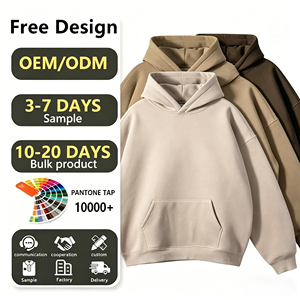
We empower growing streetwear and performance brands by offering low minimum order quantities starting at 200 units per style/color, inclusive of free size splits across S–3XL. Pre-production physical samples are delivered in just 7–10 business days, with bulk production completed in 2–3 weeks.
Our operations comply with international social standards including BSCI, OEKO-TEX, and WRAP guidelines. We provide complete DDP (Delivered Duty Paid), FOB, and express air freight arrangements to over 30 countries across the US, UK, EU, UAE, Australia, and Canada, handling all customs clearance documentation smoothly.
Key technological advancements and environmental directives reshaping China’s textile export industry.
As global consumer expectations shift toward sustainability, hyper-customization, and faster turnaround times, apparel brand procurement officers must align with suppliers investing in next-generation manufacturing tech. The next decade of sublimation printing and garment manufacturing is defined by three macro trends:
Environmental regulations, including EU eco-design directives, are compelling brands to transition from virgin polyester to recycled post-consumer polyester (rPET) derived from ocean-bound plastics and recycled water bottles. Modern sublimation factories have recalibrated their heat transfer profiles to account for the slightly lower melting thresholds of rPET fibers, ensuring vibrant color saturation without causing heat-induced fabric yellowing or structural breakdown.
Traditional wet dyeing processes generate high volumes of wastewater containing unfixed dyes and auxiliary chemicals. Sublimation printing represents an inherently dry process. Leading Chinese facilities are implementing closed-loop heat recovery systems and solar-assisted transfer presses to reduce carbon intensity per garment by up to 40%, meeting stringent ESG (Environmental, Social, and Governance) targets set by global corporate clients.
Manual pattern cutting introduces human error and edge fraying. Advanced sublimation plants integrate high-speed camera-assisted vision laser cutters. The camera system automatically detects printed registration marks and sublimated design outlines on the fabric roll, dynamically compensating for any micro-stretching of the synthetic knit. This delivers sub-millimeter precision when trimming cut pieces prior to sewing, accelerating bulk assembly speed by over 30%.
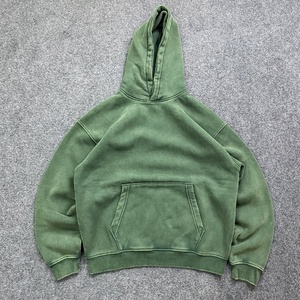
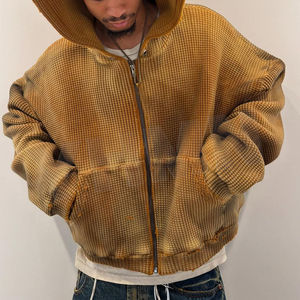
Sourcing success in 2026 and beyond requires moving away from fragmented supply chains. Partnering with a supplier capable of engineering technical fabrics, executing in-house sublimated graphics, and applying specialized heavyweight finishes (such as 600gsm distressed fleece or acid wash treatments) ensures rapid time-to-market and protected gross margins.

Direct technical answers to common questions raised by sourcing specialists, designers, and apparel importers.
Whether scaling an established activewear label or launching a custom heavyweight streetwear drop, our engineering team is ready to review your tech pack and quote your project.