An in-depth technical analysis of global garment procurement, fabric weight innovations, and low-MOQ supply chain optimization.
The global apparel sourcing ecosystem is undergoing a fundamental structural transition. Traditional apparel procurement relied heavily on massive volume commitments—often requiring 2,000 to 5,000 units per style—produced over extended 16-to-24 week lead times. Today, independent fashion houses, DTC luxury streetwear labels, and corporate apparel procurement managers are actively rejecting this legacy model in favor of Agile OEM/ODM Manufacturing backed by Low Minimum Order Quantities (MOQ).
1. The Shift to Heavyweight Fabrics (380–600 GSM)
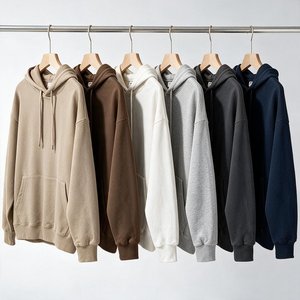
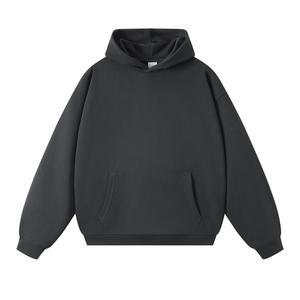
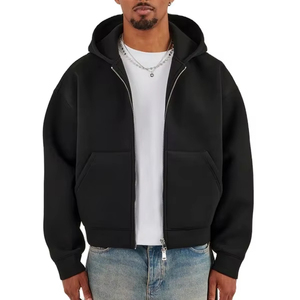
Consumer preferences have decisively pivoted toward premium tactile feel, structured silhouettes, and archival durability. Modern streetwear consumers demand ultra-heavyweight cotton knits ranging from 380 GSM brushed fleece up to 600 GSM double-faced French terry.
Technical Note: High GSM requires precision tension calibration on knitting machines to prevent torque distortion and bias skewing post-wash.
2. Vintage Wash & Artisanal Surface Treatments
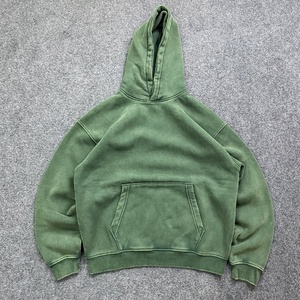
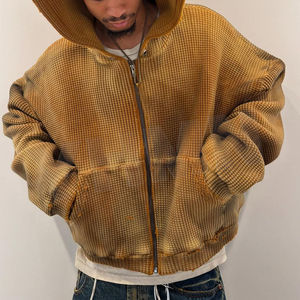
Acid washing, dirty thermal distressing, enzyme stonewashing, and pigment garment dyeing have evolved from niche aesthetics into mainstream requirements. Achieving authentic vintage patinas without compromising fabric tensile strength demands chemical wash expertise.
Process Insight: We utilize bio-enzymatic neutral washes to preserve cotton fiber integrity while delivering soft-hand distressed visual depth.
3. Micro-Capsule Drops & Rapid Re-Order Cycles
Brands now operate on drop-based calendars, releasing 200 to 500 unit limited collections to test real-time consumer intent. Factories offering 2–3 week bulk production allow brand operators to double down on high-performing SKUs without carrying deadstock risk.
Sourcing Strategy: Mitigate deadstock by maintaining raw yarn stocks and executing garment dyeing post-cutting.
Technical Manufacturing Matrix: Mass Production vs. Agile OEM/ODM
To evaluate the commercial impact of modern low-MOQ manufacturing versus traditional high-volume sourcing desk models, consider the total cost of ownership (TCO) and operational risk metrics breakdown below:
Evaluation Vector
Traditional High-Volume OEM
Agile Low-MOQ OEM/ODM (Our Facility)
Strategic Brand Advantage
Minimum Order Quantity (MOQ)
1,000 – 5,000 Units / Style
200 Units / Style / Color
Reduces upfront working capital risk by up to 75%
Sampling Lead Time
30 – 45 Days
7 – 10 Business Days
Compresses time-to-market for seasonal apparel drops
Bulk Production Cycle
12 – 18 Weeks
2 – 3 Weeks (Knits / Fleece)
Allows rapid stock replenishment during peak selling seasons
Eliminates $500–$1,500 pattern engineering fee per style
Fabric GSM Spectrum
Standard Stock (180–240 GSM)
Custom Knits (180 GSM up to 600 GSM)
Unlocks true custom brand differentiation in luxury streetwear
Future Sourcing Intelligence
Future Apparel Procurement Trends (2025–2030)
How forward-thinking garment buyers optimize landed costs, ensure ESG compliance, and leverage full private label engineering.
Risk-Mitigated Supply Chain Architecture
Global logistics bottlenecks have exposed the extreme vulnerability of extended, multi-tiered supply chains where fabric milling, dyeing, printing, and sewing are outsourced across disparate sub-contractors. The future of procurement belongs to vertically integrated single-roof facilities.
When custom knitting, pattern grading, high-density screen printing, multi-head embroidery, and retail packaging are executed under one unified quality management system (QMS), hand-off errors drop to zero and production calendars become completely predictable.
Digital CAD Tech-Pack Engineering
Emerging procurement standards prioritize digital twin pattern development prior to physical cutting. Brands no longer need complex technical spec sheets to begin manufacturing. Modern OEM/ODM partners utilize digital CAD systems to transform physical reference garments, mockups, or vector sketches into production-ready tech packs.
These packs specify stitch-per-inch (SPI) density, seam allowance allowances (e.g., 5-thread flatlock versus double-needle coverstitch), seam tape reinforcements, and localized shrinkage rates after wash testing.
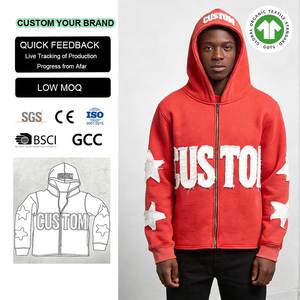
A true OEM/ODM exporter must provide full spectrum inline decoration without requiring third-party transfers. Below is an overview of the advanced customization techniques integrated directly into our production lines:
High-Density & Puff Screen Printing: Utilizing specialized silicone and plastisol additives to create tactile 3D raised graphic prints that withstand repeated industrial laundering without cracking or peeling.
Multicolor Industrial Embroidery: Multi-head Tajima machinery offering up to 15 thread colors per design, supporting flat satin stitch, 3D foam puff embroidery, chain stitching, and raw-edge cloth appliqué.
Specialty Wash Distressing: Acid wash, mineral wash, enzyme stone wash, and dirty thermal tinting engineered to deliver vintage aesthetic gradients while preserving fabric tensile strength.
Combining decade-long manufacturing expertise, social compliance standards, and uncompromising quality assurance.
100% In-House Production
Founded in 2012, our 50,000 sq.ft facility houses over 200 master seamstresses, pattern technicians, and QC auditors. We do not operate as a broker or trading agent—every seam is sewn on our floor.
4-Stage Quality Gate System
We execute 4-point raw fabric inspection (ASTM D5430), inline seam alignment checks, AQL 2.5 post-production statistical audits, and photo-documented carton loading inspections.
Global DDP Logistics Expertise
Exporting to over 30 countries including the USA, UK, Canada, Australia, Germany, and the UAE. We manage custom clearance, duty payouts, and door-to-door delivery documentation seamlessly.
Buyer Knowledge Base
OEM/ODM Apparel Sourcing & Procurement FAQ
Direct technical answers to the most crucial commercial and manufacturing questions asked by brand procurement managers.
What is your Minimum Order Quantity (MOQ) policy for custom OEM/ODM apparel?
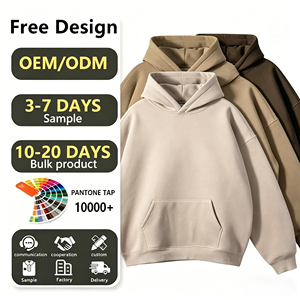
Our baseline Minimum Order Quantity (MOQ) is 200 pieces per style, per colorway. Unlike rigid conventional mills, we allow full size breakdowns (e.g., S through 3XL) within that 200-unit commitment at no extra charge. Pre-production samples (1–3 pieces) are produced and signed off before any bulk cutting commences.
What are your exact sampling and bulk turnaround timeframes?
Costed quotations are returned within 24–48 hours of receiving your spec sheet or reference images. Pattern engineering and physical sample production require 7 to 10 business days. Once the sample is approved, bulk production takes 2 to 3 weeks for standard knits and heavyweight fleece, and 3 to 4 weeks for complex garment-dyed or distressed outerwear programs.
Do I need to supply professional tech packs before starting production?
No. While client-provided tech packs are welcomed, our in-house pattern-making department can construct complete production-ready tech packs from scratch using your physical reference garments, sketches, or digital mood boards. This includes generating measurement charts, stitch specifications, trim placement maps, and artwork scaling.
How do you manage fabric quality, GSM weight verification, and shrinkage control?
Every fabric roll undergoes a 4-point fabric inspection standard upon mill arrival. GSM weights are verified using digital circular cutter scales. Pre-production fabric swatches undergo rigorous 50°C wash and tumble-dry testing to calculate exact length and width shrinkage factors, which are then programmed into CAD pattern grading to guarantee zero fit distortion after consumer washing.
Which custom garment decoration techniques can be executed in-house?
We operate full in-house decoration suites including: multi-color screen printing (plastisol, soft-hand water-based, discharge ink), direct-to-garment (DTG) printing, high-density puff printing, silicone heat transfers, all-over dye sublimation, flat embroidery, 3D foam puff embroidery, chain stitching, and custom cloth patch appliqué.
Can you provide complete private label packaging and custom branding accessories?
Yes. We deliver 100% retail-ready apparel. Our private label program includes custom woven neck labels, printed care & content labels, heat-seal neck transfers, custom branded hang tags with string loops, individual poly-bagging with barcoded stickers, and branded shipping cartons ready for direct e-commerce fulfillment or retail placement.
What quality assurance standards and defect tolerances do you adhere to?
We adhere strictly to the international AQL 2.5 (Acceptable Quality Limit) statistical inspection system for bulk apparel shipments. Our 4-stage inspection routine covers incoming material audit, inline stitching verification, post-finishing garment inspection (seam strength, thread trims, print durability), and pre-shipment photo-documented carton audits.
What are your payment terms and international shipping capabilities?
Standard commercial terms are a 50% deposit upon sample approval to initiate bulk raw material sourcing, and the remaining 50% balance upon completion and final AQL 2.5 inspection sign-off before factory release. We ship globally via DDP (Delivered Duty Paid), FOB, or Express Air Cargo (DHL/FedEx) with full customs documentation and HS code assignment.
Ready to Scale Your Apparel Line with a Trusted OEM/ODM Partner?
Submit your tech packs, reference photos, or fabric target specs to our senior merchandising team today. Receive a costed manufacturing quotation and sample production roadmap within 24 hours.