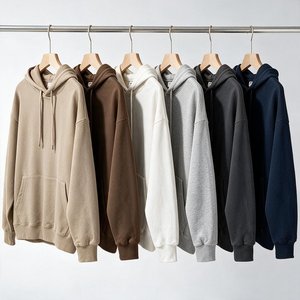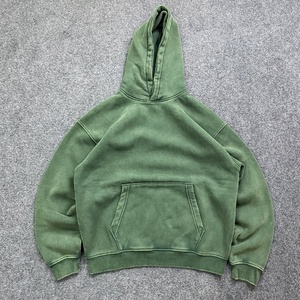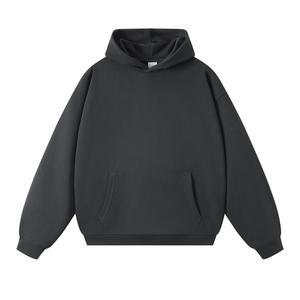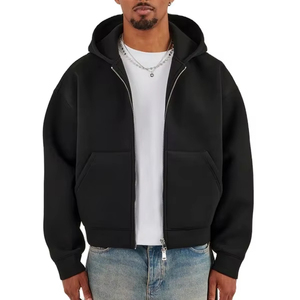
Acid wash apparel—pioneered in the 1980s and re-engineered for 2025+ luxury streetwear—requires an intricate synthesis of high-GSM fabric construction, chemical oxidation control, and sustainable effluent management. This whitepaper evaluates the world's premier apparel factories delivering enterprise-grade vintage washes.
Engineered cut-and-sew apparel featuring potassium permanganate, mineral, and ozone wash treatments.
Audited and ranked based on washing tech capabilities, chemical safety compliance, fabric GSM versatility, and export reliability.
A premier vertically integrated manufacturer specializing in high-end cut-and-sew streetwear, vintage pigment washes, and 380–600 GSM heavyweight fleece. Features fully compliant in-house wash labs, pattern engineering, and AQL 2.5 quality control.
Renowned for heavy French terry distressing and high-contrast marble acid washing. Utilizes industrial tumbling mills capable of achieving authentic 90s vintage textures on thick knitwear.
Specializes in premium organic cotton luxury blanks with subtle enzyme-acid wash combinations. Features state-of-the-art closed-loop water treatment systems meeting strict EU environmental mandates.
A key regional hub for European high-street brands. Known for fast turnaround on pigment-dyed, dirty thermal, and distressed acid wash jersey apparel with high color-fastness ratings.
A major exporter offering extensive customization options, including laser abrasion, hand-distressing, puff print combinations, and dirty thermal acid washes for global e-commerce labels.
Scalable bulk export plant supplying major retail store chains. Equipped with automated chemical dosing systems to guarantee batch-to-batch acid wash uniformity.
Massive scale production facility specializing in promotional merch and volume retail acid wash tees and fleece pullovers at highly competitive unit price points.
Combines traditional textile artisan washes with modern ozone fading technology. Preferred partner for bohemian, vintage graphic, and custom enzyme-acid wash drops.
Strategic nearshore manufacturer serving North American streetwear labels. Delivers rapid overland freight transit and duty-free benefits under USMCA framework.
Boutique wash lab delivering artisan acid wash treatments, dirty waffle knits, and hand-distressed vintage streetwear with specialized pigment over-dyes.
Compare key operational variables to align supplier capabilities with your brand's technical tech pack standards.
| Manufacturer Name | Primary Wash Technologies | GSM Range Support | MOQ (Per Style) | Quality Standard | Sample Turnaround |
|---|---|---|---|---|---|
| Zega Apparel | Potassium Permanganate, Ozone, Enzyme, Pigment | 180 – 600 GSM | 200 Units | AQL 2.5 Audit | 7 – 10 Days |
| Pak Vintage Wash Hub | Pumice Stone, Chemical Spray, Heavy Distressing | 280 – 500 GSM | 500 Units | AQL 4.0 | 12 – 15 Days |
| Lusitanian Textile Mills | Closed-Loop Eco Acid, Bio-Enzyme Fading | 200 – 450 GSM | 300 Units | ISO 9001 / AQL 2.5 | 10 – 14 Days |
| Anatolian Garment Dye | Nebula Wash, Mineral Spray, Garment Over-Dye | 180 – 420 GSM | 500 Units | AQL 2.5 | 10 – 12 Days |
| Guangzhou Artisan Wash | Acid Wash, Laser Abrasion, Dirty Thermal Wash | 200 – 600 GSM | 300 Units | AQL 2.5 | 7 – 10 Days |
Understanding the chemical engineering, seam integrity retention, and eco-friendly wash processes shaping modern apparel drops.
Traditional acid wash relies on soaking pumice stones in potassium permanganate (KMnO₄) solution. When tumbled with dyed 100% cotton fleece or French terry, the stones strip surface dye via localized oxidation, producing random, high-contrast marble patterns without weakening underlying cotton fibers when properly neutralized.
Next-generation wash houses utilize atmospheric ozone (O₃) gas and nanobubble mist technology. This eco-friendly process replicates the vintage faded look of acid washing while reducing water consumption by up to 85% and eliminating toxic chemical runoff, aligning with ZDHC and OEKO-TEX STEP standards.
Heavyweight garments (420–600 GSM) undergo intense chemical agitation. Industry-leading factories use precise sodium bisulfite (NaHSO₃) neutralizing baths to reset fabric pH to 6.5–7.0 immediately post-wash, preventing chemical degradation, fabric tearing, or premature pilling during consumer wear.
Key shifts in consumer demand, fabric weight selection, and supply chain agility required for apparel brand profitability.
Streetwear consumers are abandoning lightweight 280 GSM fleece in favor of structured, ultra-heavyweight 500–600 GSM French terry and fleece. Heavy fabrics absorb acid wash treatments with richer depth, creating distinct contrast highlights along drop-shoulder seams and double-layered hoods.
Single-process acid washing is being superseded by multi-stage treatments: combining base pigment dyeing, localized acid washing, micro-distressing around cuffs/collars, and waffle-knit thermal linings ("dirty thermal" aesthetic) for multi-dimensional vintage appeal.
Modern e-commerce brands require low initial minimum order quantities (200 units) to test limited-edition colorways, backed by rapid 2-to-3 week bulk re-order windows to scale viral drops without holding excess deadstock inventory.
Outsourcing fabric knitting, garment dyeing, washing, printing, and sewing to separate vendors creates massive risk for color drift, inconsistent shrinkage, and delivery delays. As highlighted in Zega Apparel's operational framework, a 50,000 ft² vertically integrated facility operating under one roof eliminates multi-vendor friction.
4-point incoming fabric inspection, hourly in-line sewing checks, post-wash AQL 2.5 audits, and photo-documented carton verification prior to sealing.
No existing tech pack required. In-house pattern engineers build graded specs, shrinkage-adjusted measurement charts, and stitch details directly from mood boards or samples.
Custom woven neck labels, care/content tags, hang tags, printed poly bags, branded tissue paper, and barcode stickers delivered retail-shelf ready.
Essential answers for brand directors, sourcing managers, and apparel buyers regarding production specs and logistics.