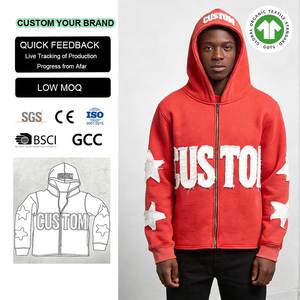
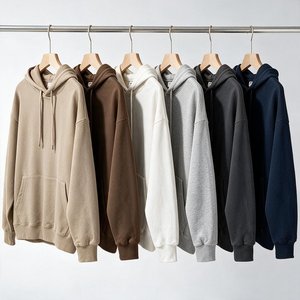
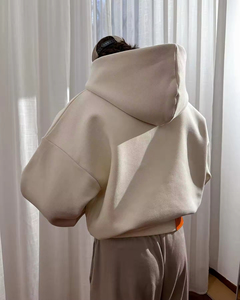
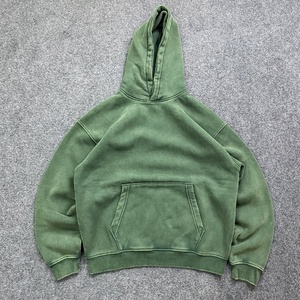
1. Strategic Overview: Navigating Top China Custom Labels Factories & Suppliers
In the rapidly evolving landscape of global apparel sourcing, selecting high-caliber custom labels factories and garment manufacturers in China has transcended simple unit-cost evaluation. Modern brand directors, procurement executives, and streetwear founders require vertical integration, precise technical execution, and strict compliance metrics. The contemporary custom apparel market demands an alignment of heavy fabric density—ranging from 380 GSM combed fleece up to industrial-grade 600 GSM double-knits—with state-of-the-art branding technologies such as high-density woven damask tags, micro-injected TPU badges, high-build silicone prints, and bio-washed distressed treatments.
As a leading vertically integrated custom clothing manufacturer with an owned 50,000 ft² facility and over a decade of operational excellence since 2012, Zega Apparel eliminates traditional supply chain friction. By maintaining total control over every step—from raw yarn spin selection and CAD pattern engineering to specialized wash chemistry, precision embroidery, high-speed screen printing, and retail-ready private labeling—we bridge the gap between initial concept tech packs and global retail shelves.
Information Gain Insight: Sourcing directly from an audited, vertically integrated China apparel factory reduces production cycle times by up to 35% compared to multi-vendor subcontracting networks. Furthermore, maintaining in-house labeling and packaging lines ensures 100% brand label consistency across bulk reorders without third-party delay penalties.
Vertical Manufacturing
Fully owned facility eliminating third-party markups and communication gaps. Cutting, sewing, printing, embroidery, and trim assembly occur under a single command structure.
Four-Stage Quality Control
4-point fabric roll inspection, hourly inline stitch audits, post-production AQL 2.5 statistical verification, and final photo-documented pre-carton sealing audits.
Agile Low MOQ Sourcing
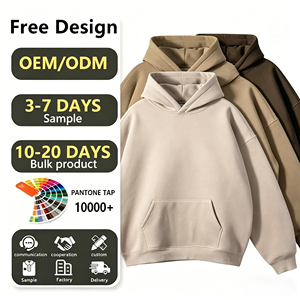
Commercial flexibility starting at 200 units per style/colorway with free size breakdowns (S to 3XL), enabling rapid capsule releases and reduced inventory risk.
2. Technical Classification & Matrix of Private Label Solutions
Custom labels serve as the ultimate tactile mark of authenticity and brand equity. A thorough analysis of China's top custom label factories reveals a distinct shift toward advanced material science and automated attachment engineering. Brands must select trim configurations that mirror garment GSM, wash tolerance, and consumer wear patterns.
| Label / Trim Technology |
Material Composition |
Optimal Garment Application |
Durability & Wash Resistance |
Minimum Order / Lead Time |
| High-Density Woven Damask |
100% Recycled Polyester (50D Yarn) |
Heavyweight Hoodies (380-600 GSM), Tees |
Ultra-High (100+ Industrial Wash Cycles) |
200 Units / 5-7 Business Days |
| Micro-Injected 3D TPU Badges |
Thermoplastic Polyurethane / Matte Finish |
Streetwear Outerwear, Oversized Hoodies |
High (Chemical & Acid Wash Resistant) |
500 Units / 8-10 Business Days |
| Screen-Printed Cotton Twill Tags |
Unbleached Organic Cotton Ribbon |
Vintage / Distressed Heavyweight Apparel |
Medium-High (Soft-Hand Natural Aging) |
200 Units / 5 Business Days |
| Tagless Heat-Transfer Care Labels |
Eco-Friendly Silicone Water-Based Inks |
Next-to-Skin Tees, Activewear, Underwear |
High (Stretch & Peel Tested) |
200 Units / 3-5 Business Days |
| High-Build Silicone Rubber Patches |
Liquid Medical-Grade Silicone on Felt |
Custom Boxy Fit Hoodies & Sweatpants |
Extreme (Heat & Friction Proof) |
300 Units / 7-9 Business Days |
3. Future Sourcing & Manufacturing Trends (2025–2028)
The global apparel sector is undergoing a profound paradigm shift driven by evolving consumer preferences and rigorous international trade regulations. Procurement teams looking to maintain a competitive moat must align with factories capable of implementing the following technical innovations:
A. The Rise of Ultra-Heavyweight Architectural Silhouette Knits
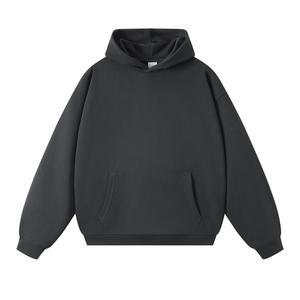
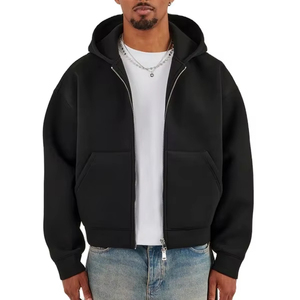
Streetwear and luxury loungewear have moved beyond standard 280 GSM garments. Modern intent analysis indicates a surge in buyer demand for structured, boxy, drop-shoulder silhouettes weighing between 420 GSM and 600 GSM. Achieving zero-sag structure in 600 GSM fleece or waffle-knit thermals requires specialized high-gauge knitting machines, pre-shrunk combed cotton yarns, and precise tension controls to eliminate post-wash distortion. China's top custom label factories are now pairing these massive fabric weights with reinforced double-needle cover-stitching and high-density damask neck tape to handle the physical heft of the garment.
B. Complex Chemical Wash Aesthetics & Sustainable Bio-Enzyme Dyeing
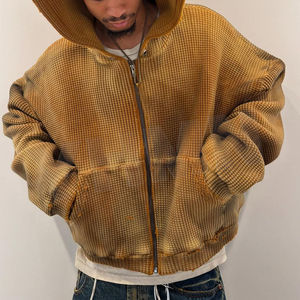
Vintage aesthetics—specifically acid washing, mineral wash treatments, dirty-thermal distressing, and pigment garment dyes—require sophisticated chemistry to prevent fiber degradation. Modern sustainable factories utilize closed-loop ozone washing and bio-enzyme distressing processes. These techniques yield authentic worn-in textures while maintaining tensile strength, colorfastness standards, and OEKO-TEX eco-compliance. Crucially, custom labels attached to acid-washed garments must undergo specialized pre-shrinking and color-fixation testing to prevent dye transfer or label discoloration during garment processing.
C. Smart Traceability & Digital Product Passports (DPP)
With European Union regulatory frameworks mandating Digital Product Passports for textiles by 2027, top China label manufacturers are integrating woven micro-QR codes and passive NFC chips directly into woven neck labels and side-seam care tags. This technology enables consumers and auditors to scan a physical label and immediately verify fabric origin, GOTS organic certifications, factory labor audits (BSCI/WRAP), and carbon footprint metrics.
Hyper-Personalized Small Drops
Brands are reducing risk by transitioning from massive annual inventory orders to agile 200–500 piece monthly drops. This requires factories to offer rapid 7–10 day pre-production sampling and localized trim stock hold.
Closed-Loop Supply Chain Transparency
Full supply chain traceability from raw GOTS cotton yarn to final DDP warehouse delivery. Every order is verified with 4-point inspection sheets and laboratory wash-fastness certificates.
4. Enterprise Capabilities: Zega Apparel Operational Infrastructure
To understand why global streetwear labels, corporate clients, and activewear brands consistently partner with premier China manufacturers, one must analyze the core operational pillars that distinguish an authentic factory from an intermediary trading desk.
In-House Pattern Engineering & CAD Grading
Every garment line begins in our computerized pattern engineering department. Even without a formal tech pack, client reference images or original samples are transformed into digitised pattern blocks. Sizing is graded with mathematical precision across standard S through 5XL cuts, accounting for fabric shrinkage parameters after dyeing and washing.
Decoration Mastery: Print, Embroidery & Specialty Finishes
Our 50,000 ft² production floor houses multi-head automated embroidery machines running up to 15 colors simultaneously, enabling 3D puff embroidery, chain-stitching, and appliqué work. Screen printing lines accommodate up to 8 colors utilizing high-solid acrylic plastisol, soft-hand water-based inks, and discharge printing for vintage cotton tees. Specialized embellishments including high-density puff prints, reflective glass-bead transfers, and tactile silicone prints are performed in-house under controlled temperature curing lines.
Rigorous 4-Gate Quality Assurance Protocol
Quality control is embedded into every operational stage rather than deferred until final packing. Our 4-gate QA system ensures zero defect leakage:
- Gate 1 (Raw Material): Automated 4-point inspection of all incoming fabric rolls for weight (GSM), width consistency, shade continuity, and shrinkage testing.
- Gate 2 (In-Line Assembly): Hourly physical measurements taken at cutting and sewing stations against signed tech packs, enforcing a strict 3-5 stitches-per-inch minimum.
- Gate 3 (Post-Decoration Audit): AQL 2.5 statistical sampling covering seam strength, print adhesion after washing, needle hole checks, and trim placement alignment.
- Gate 4 (Pre-Dispatch Verification): Photo-documented carton audit, barcode packaging verification, hanging tag integrity, and complete export documentation matching HS codes.
5. Frequently Asked Sourcing Questions (B2B Buyer FAQ)
Below are technical answers to the most frequent procurement questions directed to our apparel engineering team.
What is your absolute minimum order quantity (MOQ) for custom labeled clothing?
▼
Our standard minimum order quantity is 200 pieces per style/colorway. Unlike manufacturers that force uniform sizing, we allow free size breakdowns across that 200-unit threshold (e.g., 40 S, 60 M, 60 L, 40 XL). Pre-production physical samples (1–3 pieces) are produced and signed off prior to full bulk line production.
How long does bulk custom apparel production take from sample sign-off?
▼
Pre-production sample turnaround is 7–10 business days. Upon physical sample approval and deposit confirmation, bulk production for standard knitwear, tees, and hoodies requires 2–3 weeks. Complex outerwear, custom acid-wash treatments, or garment-dyed denim programs typically require 3–4 weeks. Quotations are guaranteed within 24–48 hours of spec submission.
Do I need to provide a complete professional tech pack before ordering?
▼
No. While professional tech packs speed up quotation, our in-house pattern department can create production-ready tech packs from flat sketches, physical reference garments, or detailed mood boards. We build graded measurement charts, stitch call-outs, artwork placement maps, and trim spec sheets at zero extra cost for production clients.
How are custom neck labels, care tags, and hang tags integrated into production?
▼
We manufacture woven damask labels, printed satin care tags, heat-transfer neck stamps, and custom hang tags concurrently with fabric knitting. Trims are attached directly during seam construction or final finishing according to your packaging manual, delivering retail-ready garments packed in polybags with scannable barcode stickers.
What fabric weights and compositions can you manufacture in bulk?
▼
We work with combed ring-spun cotton (180–280 GSM), GOTS organic cotton, French terry (240–320 GSM), heavy brushed fleece (280–600 GSM), waffle-knit thermals, poly-spandex performance blends with moisture wicking, and technical nylon ripstop. Custom fabric knitting and yarn dyeing are available for specialized GSM requirements.
Which shipping terms and export documentation options do you support?
▼
We offer full flexibility including DDP (Delivered Duty Paid direct to your warehouse with all import duties/taxes covered), FOB (Free on Board port of origin), and express air courier options. We handle all export customs declarations, commercial invoices, packing lists, and Certificate of Origin documentation for international compliance across 30+ countries.