Strategic Sourcing Analysis
The Global Activewear Procurement Landscape (2025–2030)
The global activewear and athleisure market is undergoing a structural transformation driven by shifts in consumer performance expectations, technical textile innovations, and stringent ESG compliance standards. According to global trade statistics, the activewear segment is projected to exceed $450 billion by 2028, with a compound annual growth rate (CAGR) of 6.5%. However, activewear brand owners, procurement managers, and e-commerce directors face unprecedented challenges: volatile raw material costs, supply chain bottlenecks, strict color fastness requirements, and the rising demand for low Minimum Order Quantity (MOQ) production structures that preserve agility.
To establish market leadership, modern athletic brands must move away from generic sourcing agencies and partner directly with vertically integrated cut and sew apparel manufacturers. Direct factory partnerships eliminate middleman markups, reduce pattern-to-proto lead times by up to 40%, and guarantee precise adherence to technical garment specifications—such as four-way stretch recovery, sweat-wicking rates, hydrostatic head ratings, and seam strength limits under high mechanical stress.
Information Gain Key Sourcing Insight: The Cost of Subcontracting
Traditional apparel trading desks outsource assembly to third-party stitching units. This fragmented workflow creates a high defect rate in activewear—most notably stitch popping on flatlock seams, shade variance across bulk rolls, and irregular GSM weight distribution. Operating an in-house facility with pattern engineers, cut-and-sew lines, screen printing, embroidery, and packaging guarantees complete product consistency drop after drop.
Technical Fabric Engineering & Material Selection Matrix
The foundational quality of any activewear product resides in its yarn composition and knitting structure. Activewear garments demand precise elastane ratios, high-gauge circular knitting, and specialized finishing treatments to achieve maximum squat-proof opacity, dimensional stability after industrial laundering, and micro-climate thermal regulation during intense physical conditioning.
Below is an authoritative technical breakdown of primary activewear textiles engineered, sourced, and certified within our facility:
| Fabric Class |
Composition & Construction |
Target GSM |
Performance Profile |
Primary Application |
| Nylon 6.6 Micro-Elastane |
80% Nylon 6.6 / 20% Elastane Interlock Knit |
220 – 290 GSM |
Ultra-soft hand-feel, 4-way compression, squat-proof opacity, fast drying rate (<30 mins). |
Premium Yoga & Leggings |
| Recycled Poly-Spandex (GRS) |
84% rPET (Recycled Poly) / 16% Spandex |
240 – 310 GSM |
Eco-friendly GRS certified, high tensile strength, colorfastness Grade 4.5, moisture management. |
Sustainable Activewear |
| Seamless Tubular Circular Knit |
90% Polyamide / 10% Elastane Ribbed Knit |
260 – 340 GSM |
Zero side-seams, targeted body-mapping ventilation zones, high elasticity, anti-chafing. |
Seamless Sets & Crop Tops |
| GOTS Organic Cotton Blend |
95% Organic Combed Cotton / 5% Elastane |
180 – 260 GSM |
Breathable skin-friendly micro-rib, natural thermal feel, low shrinkage (<3% after wash). |
Athleisure & Slim Fit Tops |
| Waterproof Ripstop Nylon |
100% High-Tenacity Nylon with DWR Coating |
90 – 140 GSM |
Hydrostatic head >10,000mm, windproof, ultra-lightweight, tear-resistant ripstop grid. |
Men's Windbreaker Tracksuits |
Key Sourcing & Procurement Trends Shaping 2025–2030
As the activewear landscape evolves, successful procurement teams are restructuring their supply chain strategies around three critical pillars:
1. Agile Micro-Capsules & Low MOQs
Brands are shifting from massive annual orders to agile quarterly capsule drops (200–500 units per style). This strategy minimizes inventory carrying costs, mitigates deadstock risk, and allows real-time market testing of trending colorways and cut profiles.
2. Traceable & Certified Fabrics
End consumers demand complete supply chain transparency. Modern sourcing requires verified textile certifications including Global Recycled Standard (GRS), OEKO-TEX Standard 100, and GOTS organic cotton compliance to prevent greenwashing claims.
3. Advanced Technical Decorating
Standard screen prints peel off elastic fabrics under tension. Buyers now require high-stretch silicone prints, 3D high-density puff graphics, reflective thermal transfers, and seamless ultrasonic bonding designed to flex with the human body.
Quality Control Architecture: The 4-Stage Quality Gate System
In high-stretch activewear manufacturing, even minor deviations in thread tension, needle temperature, or fabric elasticity can compromise garment functionality. To guarantee zero-defect bulk delivery, our facility executes an uncompromised 4-stage Quality Control protocol:
STAGE 01
Fabric Inspection (4-Point System)
100% of incoming fabric rolls undergo ASTM D3990 visual inspection for slubs, holes, and shade consistency. Lab test dips check color fastness under washing and sweat exposure.
STAGE 02
Pattern Engineering & Pre-Cut Verification
Digitized CAD patterns incorporate specific fabric stretch coefficients to ensure exact size grading from XS to 5XL. Shrinkage rates are mathematically accounted for prior to laser cutting.
STAGE 03
In-Line Stitching & Seam Audits
Hourly floor audits verify flatlock stitch density (minimum 6 stitches per inch) and seam tensile strength. Needle changeover schedules are enforced to prevent fabric fiber tearing.
STAGE 04
AQL 2.5 Final Pre-Shipment Audit
Final statistical sampling per ISO 2859-1 standards. Garments are photo-documented, weight-verified, packed in anti-humidity polybags, and pre-barcoded for instant warehouse intake.
Why Partner with Zega Apparel: Direct Factory Advantage
Operating as a vertically integrated apparel manufacturer established in 2012, Zega Apparel provides a direct bridge between conceptual design and high-volume retail delivery. Unlike sourcing agents who add 20–30% intermediary margins, our 50,000 ft² facility gives brand owners direct access to technicians, pattern makers, and master sewers.
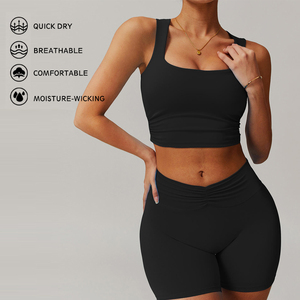
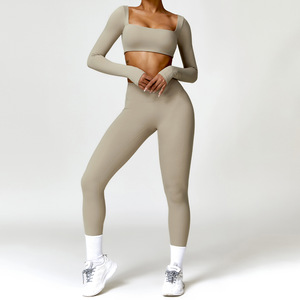
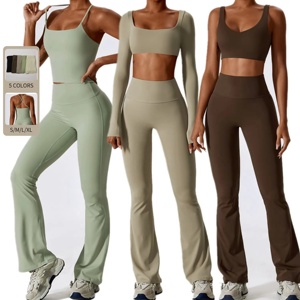
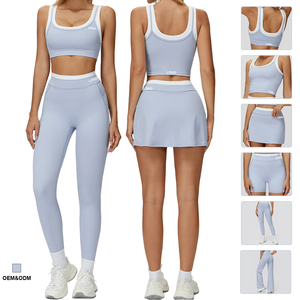
- Complete Cut & Sew Customization: Build custom fit blocks, custom necklines (square, cross-back, scoop), and custom waistlines with integrated micro-mesh pockets or silicone grip waistbands.
- Turnkey Private Label Packages: Custom woven neck labels, satin care labels, heat-seal brand logos, hang tags with custom stringing, and custom printed eco-friendly shipping polybags.
- Tech Pack Development Support: No tech pack? Our internal design team builds production-ready tech sheets from sketches, mood boards, or sample physical garments.
- Global Logistics & DDP Shipping: Seamless delivery directly to your fulfillment warehouse in the US, UK, Canada, Australia, UAE, Germany, and 30+ international markets with all duties and tariffs cleared.