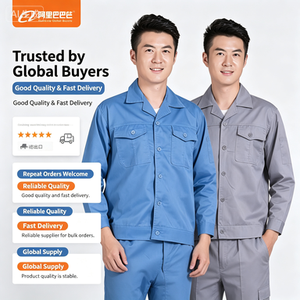
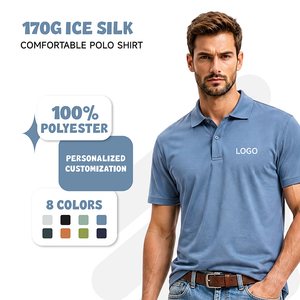
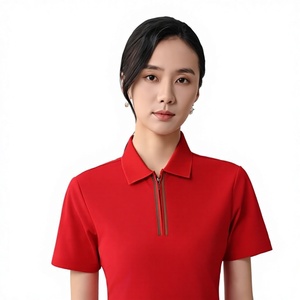
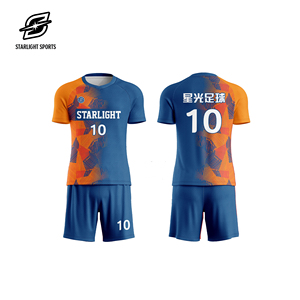
Engineered for structural durability, brand alignment, and day-long operational comfort across diverse industries.
In modern enterprise management, corporate uniforms have evolved beyond simple dress codes. Today, corporate apparel represents a strategic branding asset, a psychological driver of employee cohesion, and an essential component of operational safety and health compliance. Procuring corporate uniforms at scale requires balancing textile engineering, ergonomic design, supply chain resilience, and rigorous quality control.
As a vertically integrated custom clothing manufacturer with an owned 50,000 square-foot production ecosystem, we eliminate the friction, cost escalation, and quality variances typical of fragmented sourcing networks. By overseeing raw yarn procurement, custom fabric knitting, reactive dyeing, CAD pattern engineering, multi-head industrial embroidery, and final AQL 2.5 inspection under one roof, we provide procurement directors with absolute predictability in delivery lead times and garment integrity.

Our facility combines specialized textile machinery with skilled craftspeople to deliver tailored workwear solutions across industries.
From 180 GSM combed ring-spun cotton for office polos to heavy-duty 320 GSM poly-cotton twill for industrial workwear, we develop textiles with precise weight, stretch, and breathability specs.
Our pattern masters utilize advanced 2D/3D CAD software to engineer ergonomic fit blocks tailored to international sizing standards (S to 5XL), reducing restriction of movement and seam strain.
Utilizing high-speed Tajima multi-head embroidery equipment up to 15 colors, we deliver crisp logo execution, 3D puff embroidery, woven badges, and durable screen printing resistant to industrial laundering.
Selecting the correct fabric substrate is critical to ensuring corporate garments withstand frequent wear and laundering while maintaining professional aesthetics. Below is an overview of optimized material specifications commonly engineered for corporate apparel environments:
| Corporate Application | Recommended Fabric Substrate | GSM Weight | Key Performance Characteristics |
|---|---|---|---|
| Executive & Office Staff Shirts | 60% Combed Cotton / 40% Polyester Oxford | 140 - 180 GSM | Wrinkle-resistant, soft touch, high breathability, crisp collar retention |
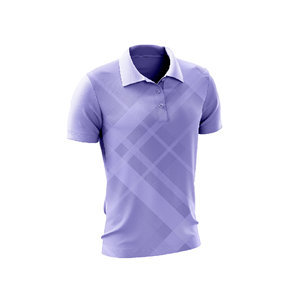
| Retail & Hospitality Team Polos | 100% Cotton Pique or CVC (60/40) Blend | 200 - 240 GSM | Anti-pilling finish, vibrant color fastness (Grade 4+), shape retention |
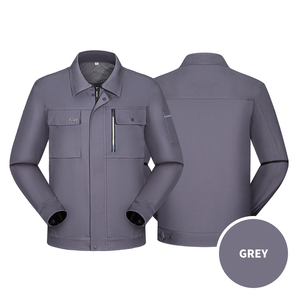
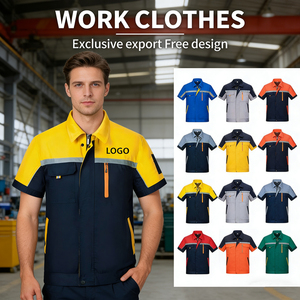
| Engineering & Factory Work Wear | 65% Polyester / 35% Cotton Heavy Twill | 260 - 320 GSM | High tensile strength, abrasion resistance, reinforced triple-stitched seams |
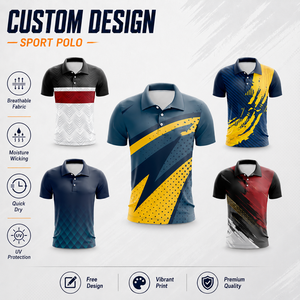
| Active Field & Event Sportswear | 100% Micro-Polyester / Spandex Interlock | 160 - 190 GSM | Moisture-wicking, 4-way stretch, quick-dry, anti-microbial treatment |
Key technological, environmental, and commercial shifts redefining corporate apparel procurement globally.
Corporate ESG (Environmental, Social, and Governance) mandates are reshaping global procurement policies. Leading enterprises are shifting from traditional virgin synthetics to GOTS-certified organic cotton and Recycled Polyethylene Terephthalate (rPET) fibers made from ocean-bound plastics. Modern rPET yarns offer equivalent tensile strength, color vibrancy, and moisture management compared to virgin polyester while reducing total carbon footprint by up to 45% per garment cycle.
Corporate uniforms are increasingly expected to provide functional utility beyond basic aesthetics. We are seeing accelerated demand for smart textile treatments, including stain-release fluorine-free coatings, permanent anti-microbial silver-ion treatments for healthcare and hospitality staff, UPF 50+ solar protection for outdoor utility teams, and anti-static weaves engineered specifically for electronics manufacturing assembly lines.
Traditional procurement models required massive bulk commitments that locked up working capital and led to deadstock when team sizes fluctuated. Future-ready manufacturers offer flexible Minimum Order Quantities (starting at 200 units per style) with standardized size-grading and archived digital tech packs. This setup enables rapid batch reorders within 2 to 3 weeks for streamlined onboarding of new corporate staff.
Enterprise clients now demand full supply chain traceability. From raw yarn lot testing to 4-point fabric inspection and AQL 2.5 final audits, digital photo documentation and lab test reports (color fastness, shrinkage after 50 wash cycles, seam strength) are becoming mandatory deliverables before bulk shipments leave factory doors.
Quality defects in corporate uniforms lead to delayed rollouts, brand inconsistency, and unexpected costs. To prevent errors from reaching production, we enforce a strict 4-stage inspection protocol across every order:
100% of fabric rolls undergo 4-point system inspection for weight (GSM), width consistency, shade band matching, and lab-tested wash shrinkage.
Hourly measurement audits against approved spec sheets are performed directly on sewing lines to monitor stitch-per-inch (SPI) and seam integrity.
Embroidery density, logo alignment, and print wash-adhesion tests are conducted before garments proceed to final ironing and thread trimming.
Statistical sampling according to ISO/AQL 2.5 standards is performed before packing, verified with photo documentation for client sign-off.
Essential guidance for procurement managers, sourcing leads, and corporate HR directors.
Our baseline MOQ is 200 pieces per style/color. Within this quantity, clients can split sizing (e.g., S through 5XL) across their team without extra charges. For multi-site enterprise orders, custom distribution packaging per location is also available.
Once tech packs and artworks are confirmed, pre-production physical samples take 7 to 10 business days. Upon final sample approval, standard bulk production for knits and woven polos is completed within 2 to 3 weeks, while complex jackets or garment-dyed programs take 3 to 4 weeks.
Yes. Our in-house technical design team can build complete, production-ready tech packs from reference garments, photos, or simple sketches. We define sizing specifications, fabric GSM, stitch types, trim details, and logo placement maps prior to sampling.
We maintain strict lab-dip spectro-photometer matching (Pantone TPX/TCX system) and record master fabric dye formulas. When you reorder next quarter or next year, your uniforms match the exact shade of prior drops.
We offer high-density multi-head industrial embroidery (up to 15 colors), 3D puff embroidery, screen printing (plastisol, water-based, discharge), DTG printing, heat transfer reflective vinyl for safety wear, and woven corporate patch application.
Yes, we export finished goods to over 30 countries, including the USA, UK, Canada, Australia, UAE, and Germany. We support FOB, CIF, and DDP (Delivered Duty Paid) shipping options, providing complete commercial invoices, packing lists, and HS code documentation for seamless customs clearance.
Absolutely. We operate a sweatshop-free, fair-wage production facility adhering to ISO 9001 quality management, OEKO-TEX Standard 100 raw textile safety, and BSCI social compliance guidelines to guarantee safe working conditions.
Speak directly with our apparel production team. Send us your design concepts, desired GSM, or sample photos, and receive a comprehensive price quote within 24 to 48 hours.
Contact Us