Featured Export-Grade Puff Print & Heavyweight Apparel Showcase
Direct OEM manufacturing solutions engineered for Sri Lankan private labels, international exporters, and premium apparel brands.
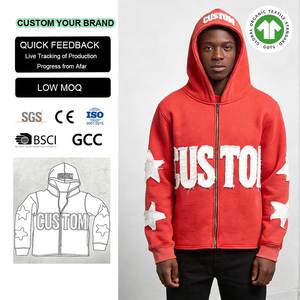
Custom Manufacturer Sweatshirt 600gsm Heavyweight Thick Distressed Cropped Zip up Embroidery Patch Men Acid Wash Zip up Hoodie
Top Quality Hoodies Sudaderas Y2k Screen Printed Winter Hoodie Anti-Pilling Loose Fit Men's Hoodie Pullover Hoddies Men
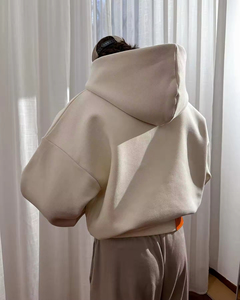
Custom Baggy Oversize Blank Unisex Drop Shoulder Heavyweight Crop Cut Big Hoodie 500Gsm Cotton Solid Color Cropped Baggy Hoodies
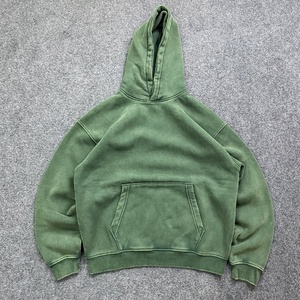
Custom Logo Distress Acid Wash Oversize Pocket Vintage Printing Blank Plain Loose Streetwear Hoodies For Men
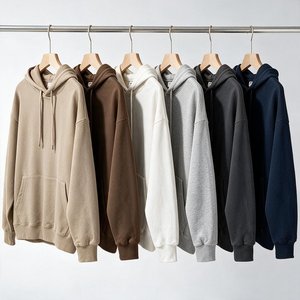
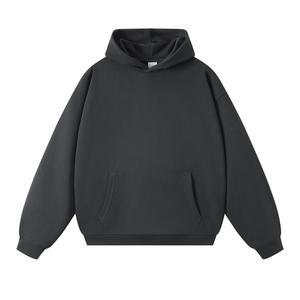
380gsm Heavyweight Fleece Hoodie Boxy Fit Streetwear Cotton Rich Pullover Custom Private Label Blank Hoody
100% Cotton Hoodies Blank Thick Fleece Heavy Weight Oversized Hoodies Custom Print Logo Men's Hoodies & Sweatshirts
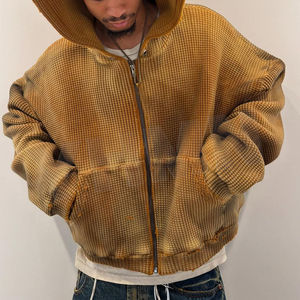
Custom Cotton Dirty Thermal Oversized Heavyweight Zip up Waffle Knit Blank Vintage Distressed Acid Wash Hoodies Sweatshirt Men
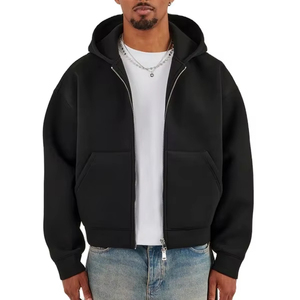
Zip Up Hoodie Heavyweight Pullover Boxy Hoodie Print Logo Heavy Weight 420 Gsm Plain 100%cotton Zipper Custom Zip Up Hoodie
50,000 ft²
Integrated Facility
AQL 2.5
Inspection Standard
30+
Global Export Markets
Executive Summary: Navigating OEM Puff Print Manufacturing in the Sri Lankan Ecosystem
Sri Lanka has long established itself as one of South Asia's most sophisticated apparel manufacturing hubs, renowned globally for high-end garment engineering, ethical manufacturing practices, and seamless access to European, North American, and Asian trading routes. Within the rapidly evolving streetwear and lifestyle apparel sectors, 3D Puff Printing (Thermally Expanded Micro-Foam Printing) has emerged as a dominant aesthetic requirement. From high-density 3D lettering on 600GSM heavyweight hoodies to subtle tactile branding on organic cotton t-shirts, global fashion brands and Sri Lankan apparel exporters demand uncompromised dimensional stability, crisp edge registration, and wash durability.
However, executing premium puff printing requires a deep convergence of polymer chemistry, precise thermal curing calibration, and specialized fabric selection. Standard flat screen printing facilities often struggle with puff print defects—such as surface cracking, uneven expansion, color bleeding, or collapse after domestic laundering. This technical whitepaper provides sourcing directors, production heads, and brand founders in Sri Lanka with an authoritative procurement guide to mastering custom OEM puff print manufacturing.
Technical Information Gain: Unlike standard screen printing inks that dry into a thin, flat film, puff printing relies on chemical blowing agents embedded within plastisol or water-based polyurethane binders. When exposed to calibrated infrared heat (150°C to 165°C), these blowing agents gasify, creating millions of microscopic enclosed air pockets that elevate the print matrix by up to 2.5mm to 3.5mm in height.
The Engineering Science of 3D Puff Printing: Micro-Foam Chemistry & Rheology
To achieve commercial success in export-grade puff printed garments, OEM manufacturers must maintain absolute control over chemical formulation, screen mesh dynamics, and oven curing parameters. At Zega Apparel, our in-house textile chemists and print masters engineer customized ink formulations based on the target garment weight and substrate composition.
1. Chemical Formulation: Plastisol vs. Eco-Friendly Water-Based Puff Pastes
The core structural integrity of puff print rests on the polymer base. We utilize two primary chemical systems depending on the export market compliance requirements:
- High-Density Plastisol Puff Compound: Formulated with phthalate-free PVC resin and encapsulated physical blowing agents (isobutane micro-spheres). Plastisol offers superior dimensional height (up to 3.5mm), razor-sharp detail retention, and exceptional elasticity on heavy fleece fabrics (380GSM to 600GSM).
- OEKO-TEX® Certified Water-Based Polyurethane Puff Paste: Engineered for eco-conscious global markets and lighter jersey fabrics. Water-based puff inks yield a ultra-soft, velvety tactile feel with high breathability, ideal for tropical climates like Sri Lanka and strict EU environmental standards.
2. Mesh Count Selection and Emulsion Thickness
Screen preparation dictates the ink deposit volume. Standard flat printing uses high mesh counts (160–230 threads per inch), whereas OEM 3D puff printing requires coarse monofilament polyester screens rated at 86 to 110 mesh (TPI) with heavy capillary film stencil coatings (100 to 200 microns). This allows a generous, uniform layer of unexpanded ink paste to pass through onto the fabric without shearing the microspheres.
3. Precision Curing Calibration & Thermal Expansion Ramps
The most critical point of failure in puff print manufacturing occurs inside the tunnel dryer. If the cure temperature is too low (<140°C), the blowing agents fail to activate fully, leaving a flat, gummy finish. Conversely, if the temperature exceeds 175°C or dwell time is excessive, the blown gas escapes, causing the foam matrix to pop, collapse, and yellow.
Micro-Sphere Activation
Thermal ramp profile maintained at 155°C for 90 seconds ensures 100% spherical expansion without structural wall collapse.
Stretch & Recovery Elasticity
Polymer elastomeric cross-linkers prevent print cracking when garments are stretched up to 35% under mechanical strain.
Zero Dye Migration
Anti-bleed barrier under-bases applied to polyester-blended fabrics prevent dark garment dyes from staining light puff prints.
Technical Specifications & Industrial Performance Parameters
For brand sourcing executives evaluating OEM partners in the Sri Lanka market, quantitative parameters provide absolute clarity. The following table highlights Zega Apparel's technical manufacturing benchmarks for custom puff print production:
| Performance Indicator |
Zega OEM Standard Specification |
Industry Average / Baseline |
Quality Verification Method |
| Maximum Puff Height |
2.5mm – 3.5mm Uniform Height |
1.0mm – 1.5mm Flat Expansion |
Digital Laser Height Gauge |
| Laundering Durability |
50+ Wash Cycles (Zero Degradation) |
15–20 Wash Cycles before Cracking |
ISO 6330 Accelerated Wash Test |
| Available Fabric Weights |
180 GSM – 600 GSM (Jersey & Fleece) |
220 GSM – 350 GSM Standard Only |
ASTM D3776 Fabric Mass Verification |
| Color Fastness Rating |
Grade 4.5+ (Dry & Wet Rubbing) |
Grade 3.0 Standard |
AATCC Test Method 8 & 61 |
| Thermal Curing Range |
150°C – 165°C (Conveyor IR Tunnel) |
Uncalibrated Flash Units |
Infrared Thermal Mapping Sensors |
| Minimum Order Quantity |
200 Pcs / Style (Free Size Splits) |
500 – 1,000 Pcs Minimum |
Commercial Supply Agreement |
Localized Procurement & Application Scenarios in Sri Lanka
As a strategic export destination and a flourishing domestic fashion retail landscape, Sri Lanka presents distinct operational scenarios for custom puff print manufacturing:
1. Colombo Streetwear & Independent Boutique Drops
In trendsetting retail hubs such as Colombo 03 (Colpetty), Cinnamon Gardens, and Kandy, independent apparel labels are capitalizing on heavy-oversized streetwear silhouettes. Local designers require custom 500GSM to 600GSM acid-wash hoodies and drop-shoulder tees with bold, raised puff graphics. Our 200-unit low MOQ empowers boutique Sri Lankan labels to launch high-value limited drops without tying up excess capital.
2. Export Re-Export Programs for European & Middle Eastern Markets
Sri Lankan apparel buying offices servicing major European, UK, and UAE brands require full vertical traceability. Zega Apparel collaborates directly with Sri Lankan export houses, supplying pre-inspected, fully customized cut-and-sew blank merchandise featuring custom puff print applications, branded woven neck labels, and retail packaging that comply with EU REACH regulations.
3. Humidity-Resistant Fabric & Print Formulations for Tropical Climates
Sri Lanka's tropical marine environment presents unique humidity challenges during production and storage. Poorly cured puff prints absorb ambient moisture, leading to a tacky feel or mold susceptibility during freight. Zega Apparel incorporates hydrophobic cross-linking agents into all puff ink matrix formulations, guaranteeing that printed garments retain a dry, smooth tactile surface throughout transit across South Asian maritime shipping corridors.
BOI & Custom Zone Integration
Full support for free-trade zone documentation, duty-free raw material transshipment, and streamlined re-export customs procedures.
Substrate Compatibility
Optimized for 100% Combed Ring-Spun Cotton, Heavy French Terry, Cotton-Rich Fleeces, and Distressed Waffle Knits.
Hybrid Decoration Combinations
Combine 3D Puff Print with Flat Screen Printing, Vintage Distressed Acid Washing, or Flat/3D Embroidery Patches.
Localized Industry Growth Trends in the Sri Lanka Apparel Sector
Understanding market trajectory is essential for apparel brands looking to secure a competitive moat. Our analytics highlight four emerging trends driving puff print demand across Sri Lanka and regional export networks:
1. Surge in Heavyweight Blanks (380GSM to 600GSM)
Consumers are turning away from thin, lightweight fast-fashion items in favor of structured, ultra-heavyweight garments. Puff printing on 500GSM or 600GSM cotton fleece produces a dramatic 3D architectural appearance that cannot be replicated on thin fabrics. Brands leveraging this combination command retail margins 40% higher than standard graphic apparel.
2. Vintage Acid Wash & Distressed Aesthetic Fusion
Combining vintage chemical distressing, acid wash, or dirty waffle textures with crisp, raised puff graphics creates a striking high-low tactile contrast. Zega Apparel's integrated wash-house handles acid dipping, stone washing, and custom pigment dyeing prior to print application, ensuring zero dye bleed or shrinkage distortion.
3. Eco-Friendly Water-Based 3D Foaming Inks
With major global fashion houses enforcing strict sustainability mandates, Sri Lankan exporters are rapidly transitioning away from traditional plastisols. Water-based foam technology delivers PVC-free, formaldehyde-free tactile graphics that meet the stringent global standards of GOTS and OEKO-TEX® Standard 100.
4. Rapid Prototyping & Agility in Private Label Drops
Modern fashion brands no longer place massive orders 9 months in advance. Instead, they rely on agile, drop-based manufacturing cycles. Zega Apparel supports this trend by providing 7–10 day fast-track sample creation and 2–3 week bulk turnaround, allowing Sri Lankan procurement teams to test market demand with minimal lead times.
Enterprise OEM Capabilities: Why Sourcing Directors Choose Zega Apparel
Zega Apparel is a fully vertically integrated custom clothing manufacturer established in 2012. Unlike trading companies or agency intermediaries, every stage of your order—from raw yarn sourcing and pattern drafting to 3D puff screen printing, multi-head embroidery, and final retail packaging—is executed inside our owned 50,000 square foot facility.
4-Stage Quality Control Protocol
Every bulk run passes 4-point fabric inspection, in-line sewing checks, post-print cure audits, and final AQL 2.5 statistical sampling.
In-House Tech Pack & Pattern Engineering
No tech pack? Our pattern masters create comprehensive production specs, size charts, and marker layouts from your simple sketches or reference garments.
Full Private Label Turnkey Service
Custom woven neck tags, care labels, hangtags, polybags, and custom branded cartons delivered retail-ready directly to your Colombo warehouse.
Frequently Asked Questions (FAQ) for Sri Lanka Procurement Managers
Here are direct, technical answers to the most common questions raised by Sri Lankan sourcing teams, export coordinators, and apparel brand owners:
What is the minimum order quantity (MOQ) for custom OEM puff print orders?
Our baseline MOQ is 200 pieces per style/colorway. Within that 200-piece commitment, you can split sizes freely (e.g., S through 3XL) without incurring additional setup charges. Pre-production physical samples are produced and signed off prior to full bulk release.
How do you prevent puff print graphics from cracking or collapsing after washing?
Cracking and collapse occur due to improper ink binder ratio or incomplete thermal curing. We incorporate specialized elastic polyurethane cross-linkers into our puff base and pass all printed garments through multi-zone conveyor IR dryers calibrated precisely at 155°C–160°C. Every batch undergoes ISO 6330 50-cycle wash testing before shipment.
Can puff printing be applied over heavy seams or zips on 600GSM hoodies?
While puff print expands best on flat panels, our pattern engineers utilize custom high-density rubber platens to print over flatlocked seams. For zip-up hoodies, we recommend maintaining a 1.5cm clearance from zipper teeth to prevent uneven ink deposit during screen squeegee passes.
What are your production lead times for shipping into Sri Lanka?
Initial pre-production samples are completed within 7 to 10 business days. Upon sample sign-off and lap dip approval, bulk production requires 2 to 3 weeks for standard knits and fleece, and 3 to 4 weeks for specialized garment-dyed or acid-washed programs. Air freight and ocean container shipping options (FOB/DDP) are fully coordinated.
Do I need to supply vector artwork and tech packs?
While vector artwork (.AI, .EPS, or high-res PDF) is preferred, our in-house design team can vector-render artwork and build production tech packs directly from concept sketches, photographs, or physical reference garments provided by your design team.
Are your inks eco-friendly and compliant with global export standards?
Yes. All ink formulations used in our factory—including water-based puff bases, plastisols, and discharge agents—are 100% phthalate-free, lead-free, and compliant with OEKO-TEX® Standard 100, CPSIA, and EU REACH export specifications.
Ready to Scale Your Puff Print Apparel Line in Sri Lanka?
Partner with a vertically integrated OEM manufacturer that guarantees precision 3D micro-foam execution, AQL 2.5 quality control, and rapid delivery for your private label drops.