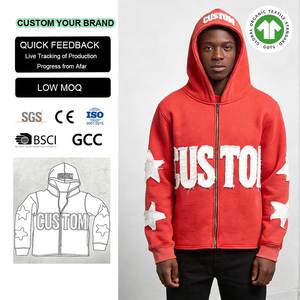
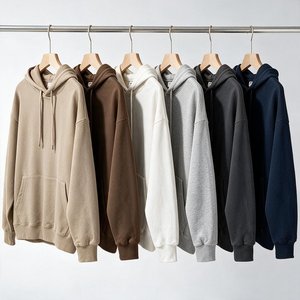
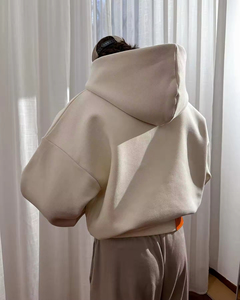
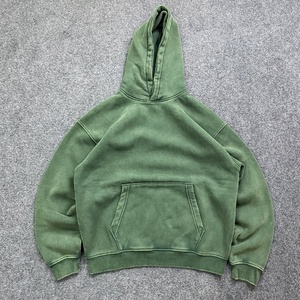
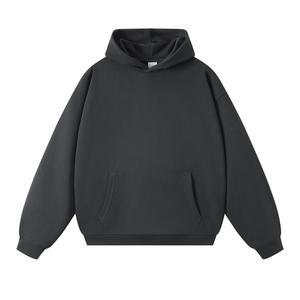
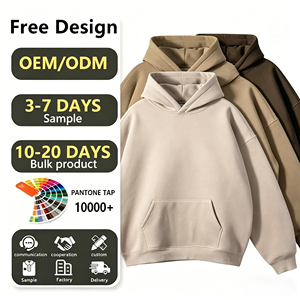
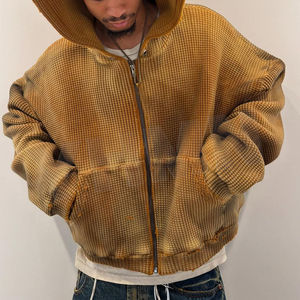
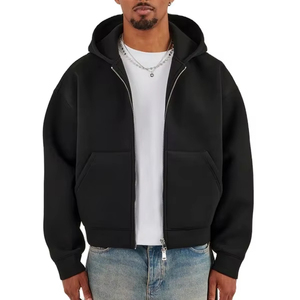
Engineered with pre-shrunk combed cotton, heavy French terry, and vintage wash techniques tailored to contemporary streetwear specs.
A comprehensive guide for sourcing directors, streetwear founders, and private label procurement managers on achieving wash consistency, zero-shrinkage precision, and high Information Gain in garment-dyed apparel manufacturing.
The Los Angeles fashion ecosystem—stretching from the downtown Fashion District to the design hubs of Melrose, Fairfax, and Vernon—has long served as the creative nucleus for global streetwear and premium contemporary fashion. At the core of Southern California’s iconic apparel aesthetic is the specialized art of garment dyeing and vintage wash processing. Unlike traditional yarn-dyed or roll-dyed apparel, garment dyeing processes the fully constructed, raw PFD (Prepared For Dyeing) cotton blank in bulk dye vats. This methodology yields soft-hand textures, sun-bleached undertones, dimensional seam fading, and a distinctive lived-in patina that defines luxury streetwear today.
However, fashion brands operating in Southern California face unprecedented operational challenges: strict environmental restrictions under California’s South Coast Air Quality Management District (SCAQMD) and regional wastewater compliance regulations have driven local LA dye houses to operate under constrained capacities, high per-unit costs, and restrictive lead times. To maintain competitive profit margins without sacrificing the coveted "LA Aesthetic", leading apparel brands increasingly collaborate with vertically integrated global manufacturing exporters like Zega Apparel. By bridging overseas vertical infrastructure with localized technical standards, brands obtain industrial garment dyeing capabilities at scalable minimum order quantities (MOQs).
Garment dyeing subjects finished garments to high heat, mechanical agitation, and chemical liquor baths. Without precision pattern adjustment for dynamic radial shrinkage, a garment can shrink up to 8% in torque and length post-dyeing. Working with an experienced technical exporter ensures pattern engineering accounts for precise GSM density increases and wash-shrinkage allowances prior to fabric cutting.

Quantitative benchmarks derived from over a decade of vertical cut-and-sew and garment wash execution.
Choosing the correct dye chemistry dictates color fastness, shade depth, seam contrast, and hand-feel performance.
Pigment dyeing binds color particles to the surface of the cotton fiber using an ionic binder rather than penetrating the core. During garment washing, light abrasion causes the dye to wear away gently along seams, hems, and pocket edges, yielding the signature vintage, chalky aesthetic highly sought after by LA streetwear capsules.
Reactive dyes form a direct covalent bond with the cellulose molecules of 100% combed cotton, French terry, and fleece. This chemical reaction achieves vibrant tone-on-tone color retention, exceptional wash-fastness (Grade 4.5+), and zero surface bleeding, making it ideal for elevated contemporary fashion collections requiring solid color matching.
Acid washing utilizes porous pumice stones soaked in oxidizing agents (such as potassium permanganate or sodium hypochlorite) tossed with dry PFD garments in drum washers. The resulting chemical reaction stripping random dye areas creates high-contrast, marbleized patterns reminiscent of 90s rock aesthetics and Y2K streetwear.
Using natural cellulase enzymes, bio-washing degrades micro-fibrils on the fabric surface. This process eliminates pilling, softens heavy fleece (380GSM–600GSM), and enhances the drape of heavy drop-shoulder hoodies without destroying tensile yarn strength or thread integrity.
Sustainable ozone washing uses eco-friendly gas technology to break down indigo and pigment dyes without heavy water usage. It creates a subtle, uniform sun-bleached tint across fleece pullovers and thermal waffle knits, meeting both aesthetic demands and environmental eco-standards.
For custom spray effects, dirty-wash finishes, and ombre gradient shifts, our technicians apply localized spray misting and low-liquor padding. This allows hyper-customized surface distress for boutique collections seeking artisanal individuality.
Evaluate dye processes by wash-fastness, dimensional stability, texture effect, and optimal fabric weights.
| Dye / Wash Process | Color Fastness | Shrinkage Control | Ideal Fabric Weight | Surface Aesthetic & Hand-Feel | Best Use Case |
|---|---|---|---|---|---|
| Pigment Dyeing | Grade 3.5 – 4.0 | Pre-Shrunk < 3% | 280 GSM – 500 GSM | Vintage chalky finish, high seam fading, ultra-soft hand | Streetwear hoodies, boxy tees, vintage joggers |
| Reactive Garment Dye | Grade 4.5+ | Pre-Shrunk < 2% | 180 GSM – 420 GSM | Deep color saturation, uniform shade, buttery smooth texture | Premium essentials, private label basics, luxury knits |
| Acid / Mineral Wash | Grade 3.5 – 4.0 | Pre-Shrunk < 4% | 380 GSM – 600 GSM | High-contrast marbleized streaks, high distress, rugged feel | Heavyweight distressed zips, Y2K capsules, outerwear |
| Enzyme Softening Wash | Grade 4.5+ | Pre-Shrunk < 2% | 240 GSM – 460 GSM | Anti-pilling, clean surface finish, liquid-smooth drape | Heavy French terry, corporate fleece, high-end loungewear |
| Dirty Wash / Over-Dye | Grade 3.5 – 4.0 | Pre-Shrunk < 3% | 350 GSM – 500 GSM | Earthy brown/tan undertones over distressed base fabric | Workwear-inspired streetwear, thermal waffle zip-ups |
Understanding the unique demands of the Los Angeles fashion buyer and how technical garment dyeing satisfies regional trends.
The Los Angeles streetwear market relies on immediate scarcity and drop-based release models. Brands operating out of the Fairfax district and Arts District require ultra-heavyweight blanks (420GSM to 600GSM) with dropped shoulders, wide body proportions, and boxy crops. Garment dyeing these heavy fleece blanks in pigment charcoal, washed olive, and faded vintage grey creates the weight and drape expected by premium consumers without rigid stiffness.
California buyers are increasingly bound by consumer demand for sustainable practices and stringent state supply chain transparency regulations. Zega Apparel integrates eco-certified GOTS organic cottons, low-impact reactive dyes, and recirculated bio-wash water filtration systems. This enables LA labels to market truly sustainable garment-dyed lines without compromising on rich hand-feel or wash aesthetics.
SoCal fashion heavily features thermal waffle knits, dirty-washed zip hoodies, and distressed workwear jackets suited for mild coastal climates. Our custom thermal waffle garments undergo specialized garment-dyeing and enzyme softening, delivering pre-shrunk, thermal insulation with an authentic 90s thrift-store texture right off the retail rack.
Beyond streetwear, Los Angeles serves as a operational hub for music merchandise, entertainment tour apparel, and high-growth e-commerce brands. These buyers require absolute size-run consistency across thousands of units. Zega Apparel’s vertical infrastructure guarantees that a 200-piece initial test run can scale seamlessly to a 10,000-unit drop on identical pattern blocks and shade-matched color vats.
A vertically integrated supply chain eliminating third-party sub-contractors, middleman markups, and quality variance.
Every garment dyed and sewn in our facility passes through four strict inspection gates: 4-Point fabric roll audit, in-line sewing measurement verification, post-wash color fastness audit, and pre-packing photo-documented statistical sampling.
Speed-to-market is vital in the fast-paced LA retail environment. We deliver lab dips and fully constructed pre-production fit samples in just 7 to 10 business days. Bulk garment-dyed orders are completed and dispatched within 2 to 3 weeks post-approval.
Receive retail-ready garments out of the box. We manufacture custom woven neck labels, care/content labels, screen-printed interior tags, custom hang tags, branded polybags, and custom barcoding for direct fulfillment into US distribution centers.
Clear commercial, technical, and logistical answers to streamline your apparel manufacturing decisions.
Our standard MOQ is 200 pieces per style/color. Within this 200-unit minimum, you can freely divide size splits (e.g., S through 3XL) without extra charge. We also produce 1 to 3 pre-production samples for physical review prior to launching bulk production runs.
Garment dyeing causes fabric compaction. We calculate specific shrinkage coefficients for each fabric weight (e.g., 380GSM vs 500GSM) during pattern engineering. Fabrics undergo pre-wash shrinkage testing, and vats are monitored with computerized spectrophotometers to ensure precise Pantone shade matching within strict tolerance Delta E limits.
No. If you do not have a formal tech pack, our in-house pattern engineering team can build production-ready tech packs from physical reference garments, high-resolution sketches, or design mood boards. We provide detailed measurement charts, stitch call-outs, and print placement diagrams for your final sign-off.
Quotations and lab dips are delivered within 24 to 48 hours. Pre-production sampling takes 7 to 10 business days. Approved bulk knitwear, fleece, and garment-dyed orders are produced in 2 to 3 weeks. Express air shipping to LAX takes 3–5 days, while DDP ocean freight to the Port of Los Angeles takes approximately 18–22 days.
Yes. We match standard Pantone TCX (Textile Cotton) and TPX color codes. Our laboratory issues 3-option lab dips (A, B, C shade variations) on your exact fabric substrate so you can sign off on shade depth under standard D65 light boxes before bulk dyeing begins.
We execute high-density screen printing, discharge printing, puff printing, silicone prints, and multi-head embroidery (flat, 3D puff, chain-stitch) in-house. For garment-dyed apparel, discharge printing or post-dye screen printing is recommended to ensure graphics remain vivid against vintage-washed fabrics.
We provide full DDP (Delivered Duty Paid) shipping services directly to your facility, warehouse, or retail location in Los Angeles and across California. We handle all import clearance, HS-code documentation, customs duties, and freight logistics seamlessly.
Yes. We utilize OEKO-TEX Standard 100 certified non-toxic dyes, GOTS-certified organic cotton optioning, and bio-degradable enzyme wash agents. Our operations strictly adhere to eco-friendly water treatment standards, ensuring your brand meets consumer expectations and state regulatory requirements.
Partner with a trusted global supplier and exporter delivering premium garment-dyed blanks, custom wash finishes, and precision cut-and-sew manufacturing to Los Angeles and international brands.