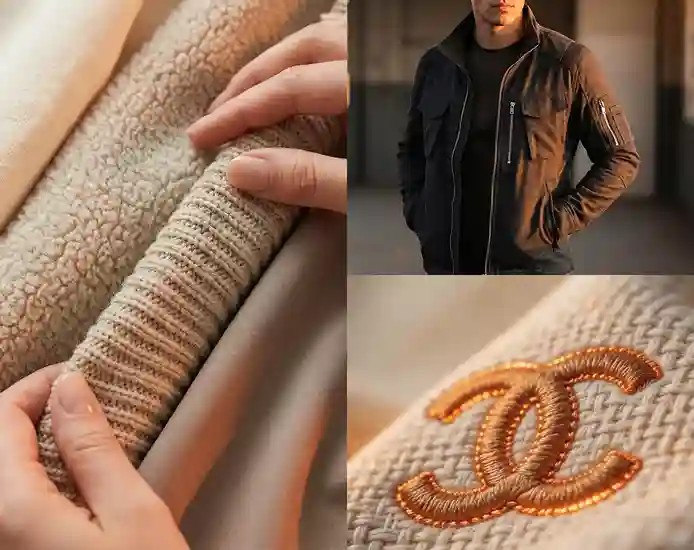
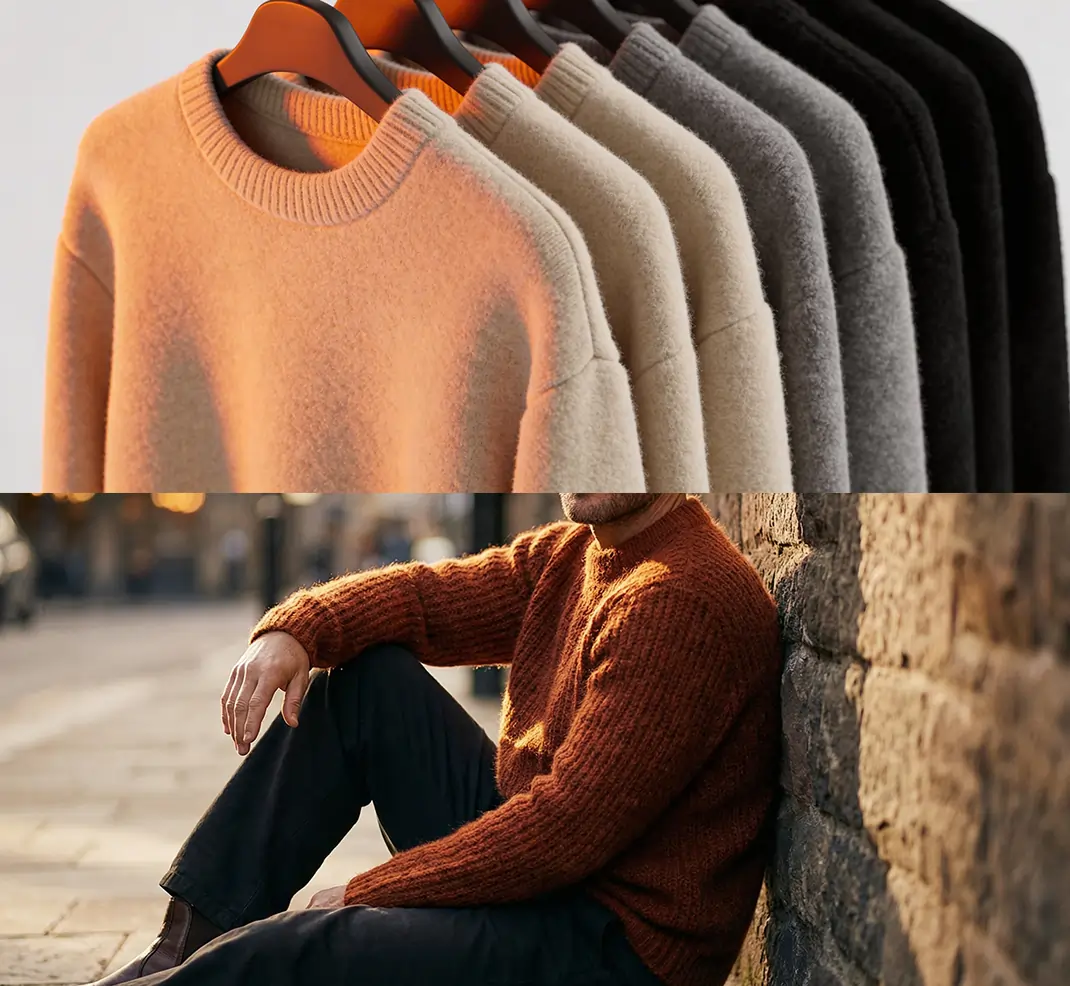
Private Label Apparel Manufacturer & Exporters for Korea
Precision Cut & Sew OEM/ODM, Heavyweight Fleece Engineering, & Direct Factory Export Supply Chains Tailored for South Korean Fashion Brands, Seoul Streetwear Labels & Dongdaemun Sourcing Ecosystems
South Korea Direct Export Catalog
High-Demand Heavyweight Blanks & Custom Streetwear Lines
Engineered specifically for the Korean market's demand for high GSM, boxy silhouettes, vintage washes, and meticulous stitch integrity.
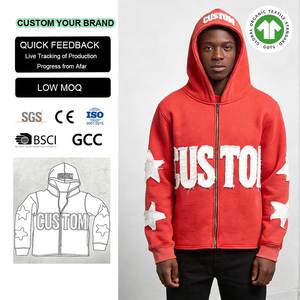
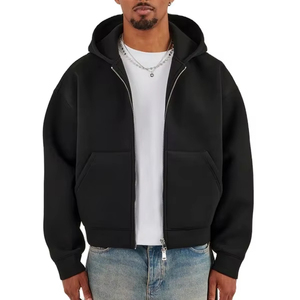
Custom Manufacturer Sweatshirt 600gsm Heavyweight Thick Distressed Cropped Zip up Embroidery Patch Men Acid Wash Zip up Hoodie
600 GSM Cotton
Acid Wash
Cropped Cut
Send an Inquiry
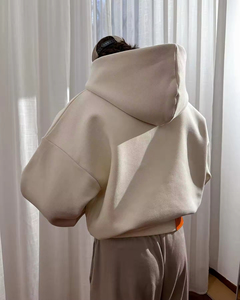
Top Quality Hoodies Sudaderas Y2k Screen Printed Winter Hoodie Anti-Pilling Loose Fit Men's Hoodie Pullover Hoddies Men
Y2K Loose Fit
Anti-Pilling Fleece
Screen Print
Send an Inquiry
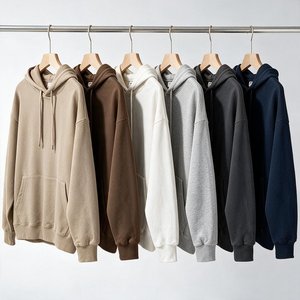
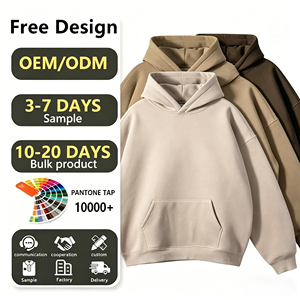
Custom Baggy Oversize Blank Unisex Drop Shoulder Heavyweight Crop Cut Big Hoodie 500Gsm Cotton Solid Color Cropped Baggy Hoodies
500 GSM French Terry
Drop Shoulder
Unisex Fit
Send an Inquiry
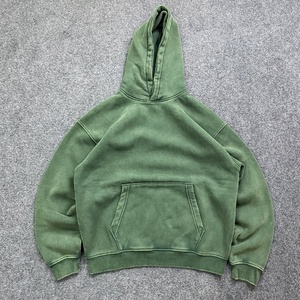
Custom Logo Distress Acid Wash Oversize Pocket Vintage Printing Blank Plain Loose Streetwear Hoodies For Men
Distressed Wash
Vintage Print
K-Streetwear
Send an Inquiry
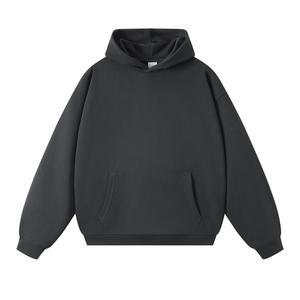
380gsm Heavyweight Fleece Hoodie Boxy Fit Streetwear Cotton Rich Pullover Custom Private Label Blank Hoody
380 GSM Fleece
Boxy Silhouette
Private Label
Send an Inquiry
100% Cotton Hoodies Blank Thick Fleece Heavy Weight Oversized Hoodies Custom Print Logo Men's Hoodies & Sweatshirts
100% Combed Cotton
Puff Print Ready
Heavy Fleece
Send an Inquiry
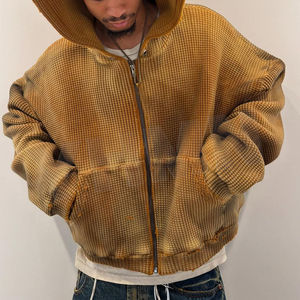
Custom Cotton Dirty Thermal Oversized Heavyweight Zip up Waffle Knit Blank Vintage Distressed Acid Wash Hoodies Sweatshirt Men
Thermal Waffle Lining
Vintage Wash
Double Zip
Send an Inquiry
Zip Up Hoodie Heavyweight Pullover Boxy Hoodie Print Logo Heavy Weight 420 Gsm Plain 100%cotton Zipper Custom Zip Up Hoodie
420 GSM Ring-Spun
YKK Zipper
Clean Blanks
Send an Inquiry
200 Units
Flexible Low MOQ
Per style & color with free size splits (S–3XL)
AQL 2.5
Strict Inspection
Exceeding KATRI standards for zero-defect exports
7-10 Days
Rapid Prototyping
Tech pack build & sample delivery to Seoul
50,000 ft²
Owned Manufacturing
100% in-house vertical production pipeline
Whitepaper: Navigating Private Label Apparel Sourcing & Direct OEM Manufacturing for South Korea
The South Korean apparel market has emerged as one of the world's most dynamic fashion ecosystems. Driven by the global expansion of K-Fashion, rapid trend turnover in districts like Seongsu-dong, Hongdae, and Hannam-dong, and massive domestic platforms like Musinsa, W Concept, and 29CM, local apparel brands face unprecedented market pressure. To capture market share, Korean fashion houses require garments that combine ultra-heavyweight hand feel (380–600 GSM), meticulous silhouette engineering (drop-shoulder boxy cuts), complex finishings (vintage acid washing, bio-enzymatic softening, 3D silicone puff prints), and absolute compliance with national quality protocols like KC Safety Certification (Electrical Appliances and Consumer Products Safety Control Act).
Historically, emerging and mid-tier Korean brands relied heavily on the Dongdaemun wholesale market (동대문 패션타운) for ready-made apparel sourcing. However, as brand competition intensifies, relying on off-the-shelf Dongdaemun stock introduces significant liabilities: lack of proprietary pattern exclusivity, uncontrollable fabric weight variances, unpredictable shrinkage, and low profit margins due to middleman markups. As a senior private label manufacturer and exporter serving the Korean peninsula, Zega Apparel provides a vertically integrated cut-and-sew alternative that bridges the gap between boutique design vision and industrial scale export capability.
Information Gain Insight for Sourcing Directors: Shifting from domestic wholesale buying to direct overseas custom manufacturing reduces unit landed costs by up to 38% while guaranteeing exclusive tech packs, customized wash care labels in Korean (한국어 세탁표시), and KATRI-compliant chemical safety for azo dyes and formaldehyde.
Technical Manufacturing Matrix: Dongdaemun Sourcing vs Direct Overseas OEM/ODM
| Evaluation Parameter |
Dongdaemun Domestic Wholesale |
Zega Apparel Direct Private Label OEM/ODM |
| Pattern & Fit Exclusivity |
Generic, shared market patterns; high risk of identical garments across competing Musinsa stores. |
100% custom CAD pattern engineering; exclusive drop-shoulder, boxy, or cropped specs per client. |
| Fabric GSM & Weight Range |
Standard domestic knits (220–300 GSM); limited availability of ultra-heavy weight fleeces. |
Bespoke fabric knitting from 180 GSM single jersey up to 600 GSM heavy French terry and fleece. |
| Fabric Wash & Finishings |
Basic garment dyeing; high color variance between reorder batches; potential anti-pilling issues. |
Bio-enzyme softening, vintage acid wash, pigment wash, dirty thermal lining, and zero-shrinkage lab dips. |
| Quality Control Standard |
Random visual checks; high defect rates in seam alignment and loose threads. |
4-Stage Quality Control System operating at AQL 2.5 standards with pre-shipment audit reports. |
| Branding & KC Compliance |
Generic sewn-in tags requiring tedious relabeling; risk of failing Korean chemical safety rules. |
Complete private labeling: custom woven neck tags, care labels in Hangul, hangtags, and KATRI-ready lab testing. |
Core Manufacturing Capabilities
Industrial Apparel Craftsmanship Engineered for Korean Brands
Every stage under one roof—from raw combed cotton yarn sourcing to final packaged shipment arriving at Busan or Incheon Port.
Custom Knitting & GSM Formulation
We engineer luxury-grade knits tailored for Korea's crisp seasonal demands. Choose from 100% combed ring-spun cotton, GOTS organic cotton, 240–320 GSM French terry, and heavy-density 380–600 GSM fleece engineered to prevent shape deformation after home laundering.
Advanced Dyeing & Vintage Wash Craft
Specializing in Seongsu-style streetwear aesthetics: reactive dyeing, pigment over-dyeing, vintage acid washing, mineral wash, distressed enzyme treatments, and thermal waffle linings with color fastness guaranteed against rub-off.
High-Precision In-House Decoration
Elevate apparel graphics with multi-head industrial embroidery (flat, 3D puff, chain stitch), high-density silicone prints, water-based discharge screen printing, puff print graphics, and all-over sublimation—archived for flawless repeat orders.
Localized Application Scenarios: Where Our Manufactured Apparel Fits in South Korea
Understanding local consumer behavior is vital for brand building in Korea. Korean fashion consumers possess an extremely high standard for garment structure, tactile comfort, and visual detail. Here is how our export production lines serve key commercial sectors across South Korea:
1. Seongsu & Hongdae Streetwear Capsule Drops
Streetwear labels operating boutique concept stores in Seongsu-dong or selling via Musinsa require limited-edition drops with ultra-heavy fabric (500–600 GSM zip hoodies and acid-washed distressed cropped sweatshirts). Our 200-unit low MOQ enables brands to launch high-margin capsule drops without inventory bloat.
2. K-Pop Merch & Entertainment Industry Apparel
Korea's global entertainment agencies demand rapid production turnarounds for global concert merchandise and fan club collections. We supply retail-ready heavy cotton t-shirts, Y2K loose-fit hoodies, and embroidered outerwear with customized poly-bagging and barcode sticker labeling ready for immediate worldwide distribution.
3. Athleisure & Premium Unisex Dailywear in Gangnam
Gangnam and Hannam consumer segments favor clean, minimalist, high-tactile loungewear and golf-lifestyle activewear. We produce anti-pilling, enzyme-washed cotton-rich pullovers, waffle-knit thermal zip-ups, and moisture-wicking stretch activewear engineered with flatlock seam construction for smooth skin contact.
4. Corporate Apparel & Tech Startup Uniforms in Pangyo
Korea’s tech hub in Pangyo Techno Valley requires sophisticated corporate uniforms, fleece jackets, and polo shirts. We provide standardized pattern grading across S to 5XL, ensuring consistent corporate brand identity with custom logo embroidery and durable wash resilience.
2026-2027 South Korean Apparel Market Sourcing Trends
To maintain competitive edge in the Korean market, buyers must align production specifications with shifting consumer and regulatory shifts:
1. Shift Toward High-GSM Heavyweight Blanks
Korean consumers increasingly associate weight with quality. Light 200 GSM hoodies have been replaced by 400–600 GSM heavy fleece and stiff French terry that maintains a sharp, boxy structure around the shoulders and hood hooding.
2. Vintage Distressing & Acid Washing Demand
Subtle, aged aesthetics—dirty thermal washes, sun-faded pigment dyes, and seam distressing—are dominating online fashion rankings. Achieving color consistency across production batches requires sophisticated industrial dye houses.
3. Mandatory KC Certification & Eco-Compliance
Strict enforcement of Korea’s Safety Control Act requires garments to be free from harmful chemicals. Our raw fabrics use OEKO-TEX certified dyes, ensuring seamless KATRI and FITI testing approval upon customs arrival.
Factory Credentials: Why Leading Global & Korean Brands Partner with Zega Apparel
Operating a real owned manufacturing facility—not a trading desk—gives Zega Apparel absolute authority over product execution, pricing, and scheduling. Established in 2012, our 50,000 ft² production plant houses pattern making, cut-and-sew lines, screen printing carousels, computer embroidery machines, and finishing tunnels under one management system.
Four-Stage Quality Control Protocol for Zero-Defect Exports
To eliminate costly cross-border returns, every production batch destined for South Korea undergoes our rigorous 4-gate quality inspection protocol:
- Gate 1 (Raw Fabric Audit): 4-point inspection system applied to all fabric rolls, checking GSM weight accuracy, width consistency, shade continuity, and post-wash shrinkage testing before cutting.
- Gate 2 (In-Line Sewing Audit): Hourly dimensional checks against approved tech pack measurement sheets and stitch-per-inch (SPI) audits on the active sewing floor.
- Gate 3 (Post-Decoration & AQL 2.5 Audit): Statistical sampling covering seam strength, print adhesion after rub/wash tests, zipper operation, and embroidery backing smoothness.
- Gate 4 (Pre-Shipment Packing Audit): Photo-documented audit verifying correct Korean wash care tags, poly-bag sealing, carton marking, and packing list reconciliation.
Specialized Product Categories We Export to Korea
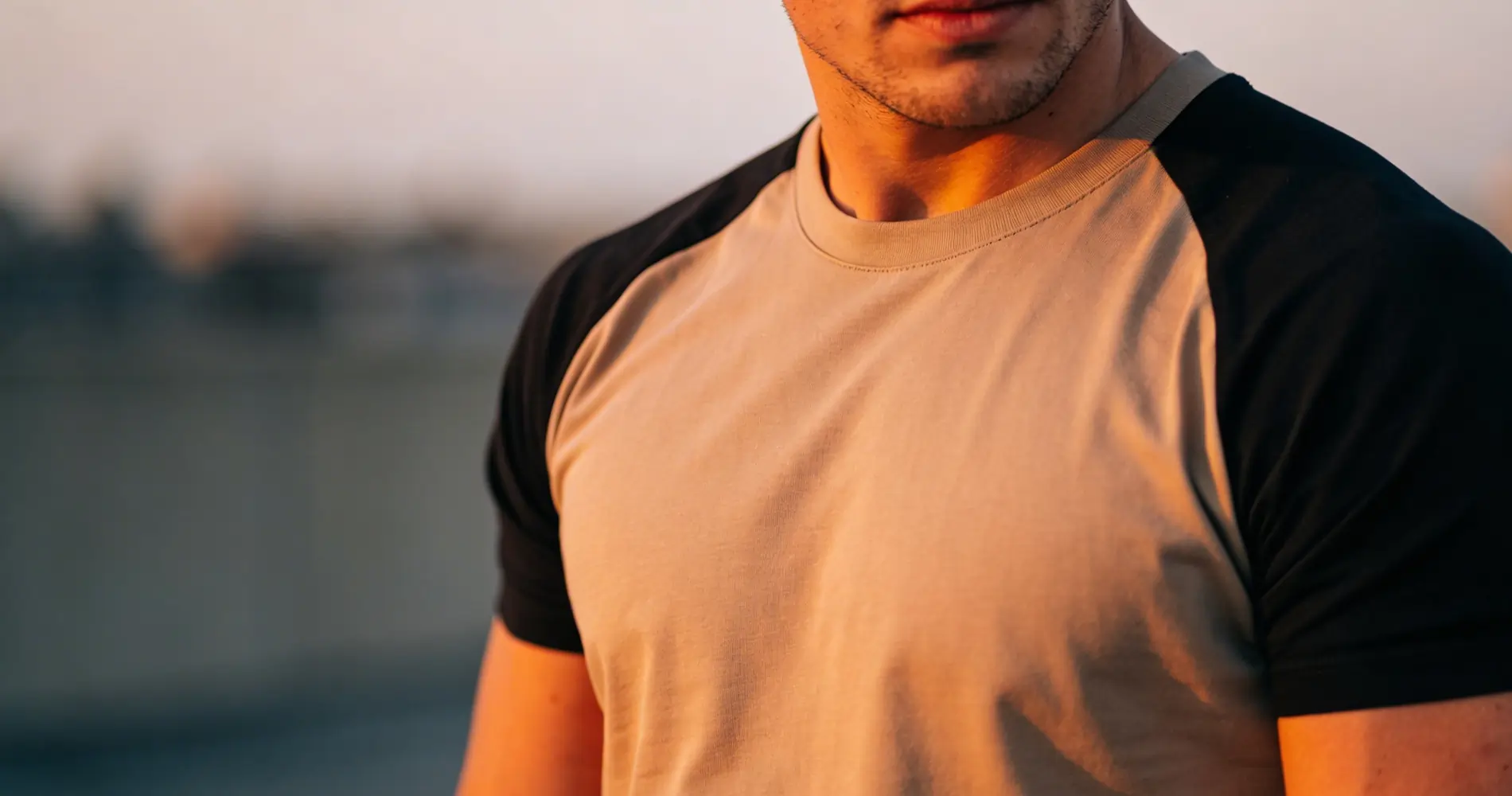
Heavyweight Tees
180–280 GSM Combed Cotton
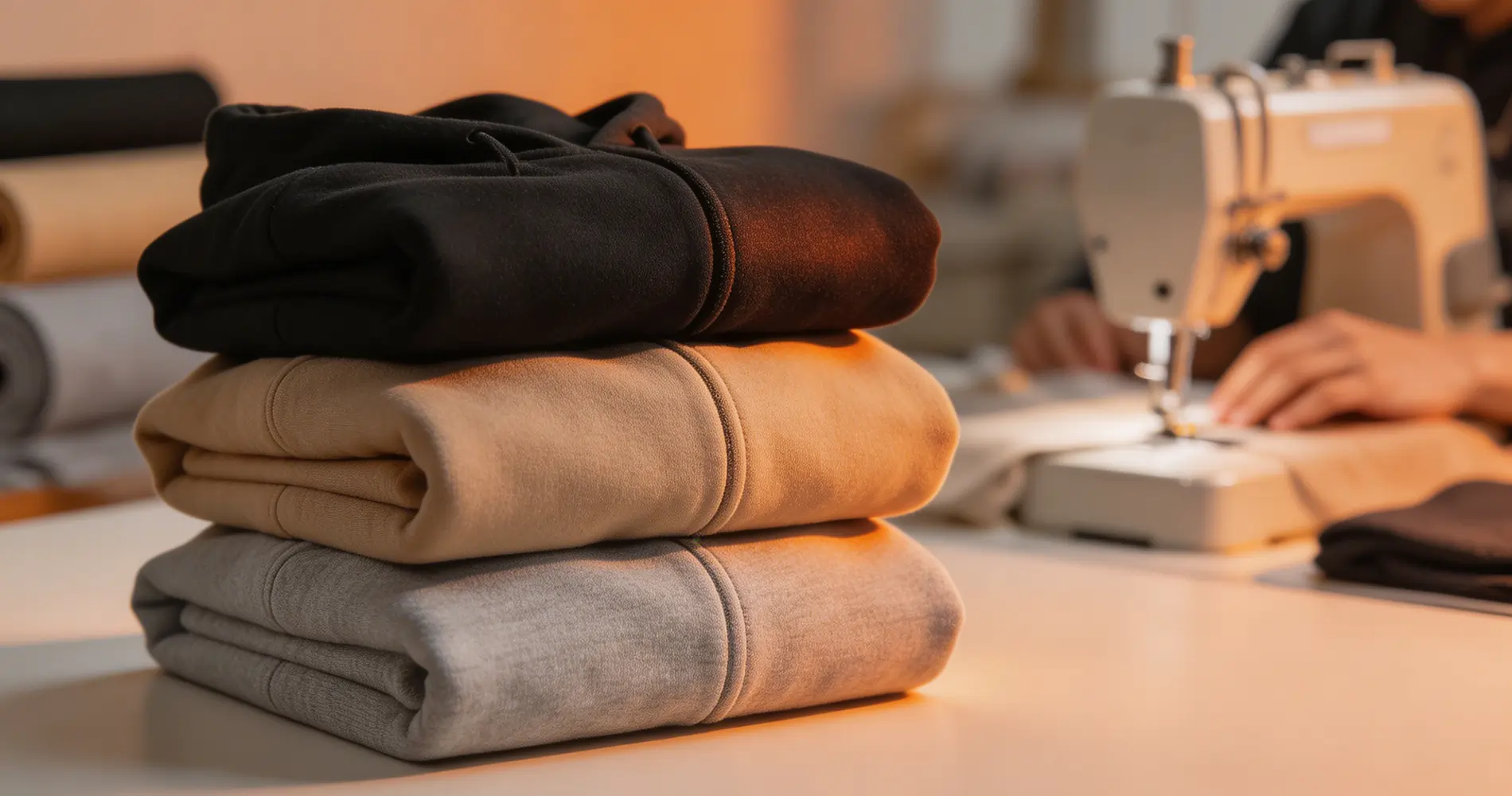
Fleece & Hoodies
280–600 GSM Boxy Builds
Performance Activewear
Flatlock & Sublimation

K-Streetwear Blanks
Custom Wash & Distressing
Sourcing Intelligence
Frequently Asked Questions by South Korean Apparel Sourcing Teams
Clear, transparent answers regarding production terms, sample turnarounds, shipping logistics, and compliance for Korean importers.
What is your Minimum Order Quantity (MOQ) for exporting to South Korea?
Our standard MOQ is 200 pieces per style/colorway. Within that 200-unit commitment, you can freely divide size splits (e.g., S, M, L, XL, 2XL) without added setup surcharges. This low barrier allows emerging Korean streetwear brands to test new drops on Musinsa or W Concept efficiently.
Can you assist with Korean wash care labels and KC Certification testing?
Yes. We manufacture customized Korean-language wash care tags (한국어 세탁표시), fiber content labels, and importer information tags mandated by Korean law. Furthermore, our raw fabrics use non-toxic, eco-friendly reactive dyes that easily pass KATRI (Korea Apparel Testing & Research Institute) and FITI testing for formaldehyde and heavy metals.
How long does bulk apparel production and shipping to Korea take?
Once design specifications are confirmed, physical sampling takes 7 to 10 business days. Upon sample sign-off, bulk production requires 2 to 3 weeks for knitwear/fleece and 3 to 4 weeks for complex washed or distressed styles. Air freight to Incheon International Airport takes 3–5 days, while ocean shipping to Busan Port takes 10–14 days.
What if my brand does not have a professional technical pack (Tech Pack)?
Our in-house pattern development team can convert physical sample garments, mood board images, or basic hand sketches into production-grade CAD tech packs. We build full measurement charts, stitch call-outs, grading rules, and artwork placement specs prior to sample cutting.
Can you replicate exact heavy GSM fabrics and vintage acid wash finishes?
Absolutely. We specialize in heavy fleece formulations (380 GSM, 450 GSM, 500 GSM, and 600 GSM) and complex garment washing techniques including mineral wash, acid wash, bio-enzymatic softening, and distressed edge grinding popular in Seoul fashion circles.
What export commercial terms (Incoterms) do you support for Korea?
We offer flexible shipping terms including DDP (Delivered Duty Paid) direct to your warehouse in Seoul, Gyeonggi-do, or Busan—handling all export clearance, tariffs, and customs paperwork. We also support standard FOB and CIF terms for experienced import buyers.
Start Production Today
Ready to Scale Your Private Label Apparel Line in Korea?
Send your design tech packs, reference photos, or desired fabric GSM specs to our dedicated export engineering team. Receive a transparent price quote within 24 hours.